
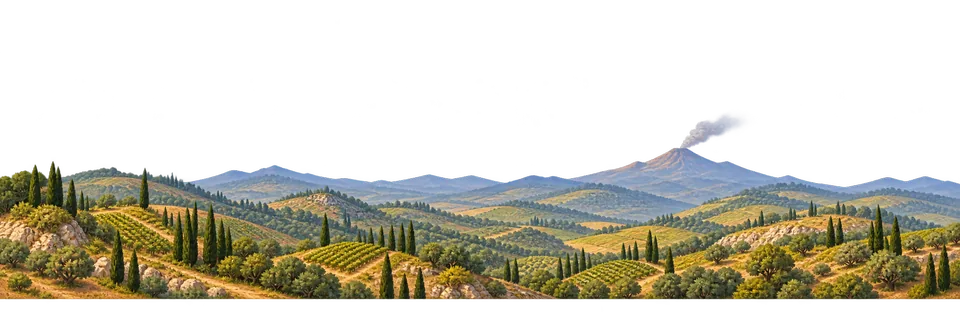
Historical setting
Ancient Rome
Ancient Rome was a real city of perhaps a million people. Explore 35 of its buildings: what each one was for, how it worked and where you can still see real examples today.
- 35 places
- 4 vehicles
- 8 people
- 106 photos of real places
- Guided tour: Roman engineering
Look around the city
Select any building, person or vehicle to open its page. Everything is also listed below.
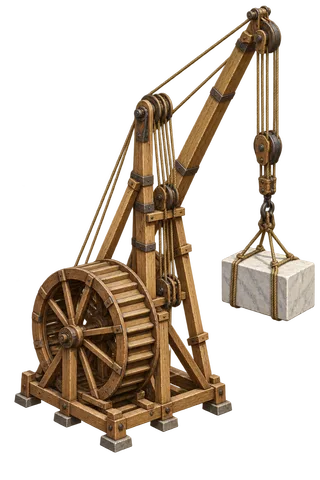 Treadwheel crane
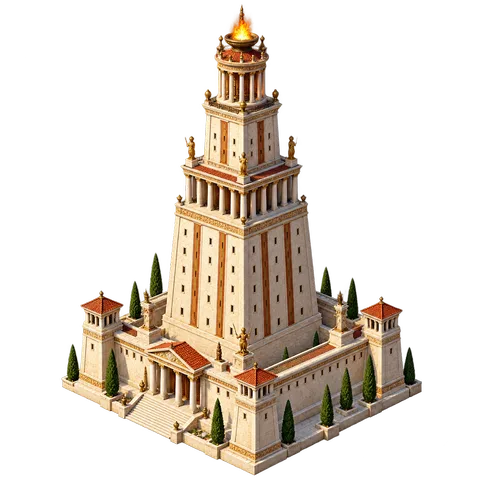 Lighthouse
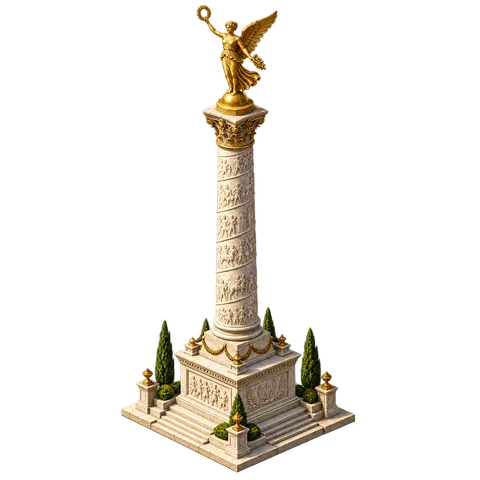 Victory column
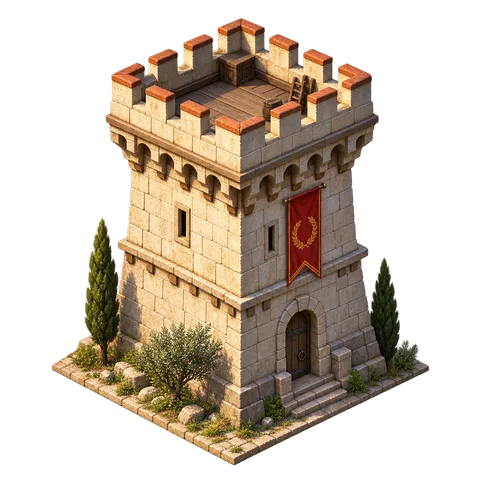 City walls and towers
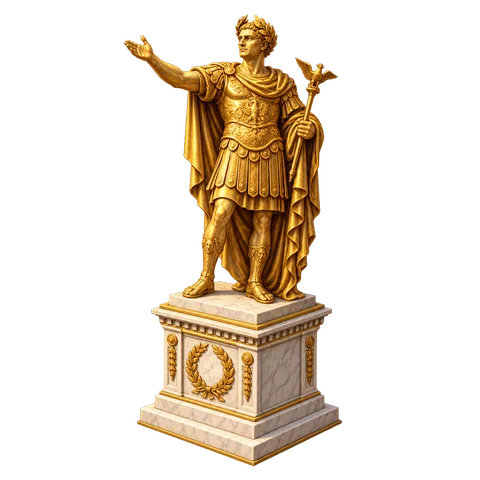 Statue of the emperor
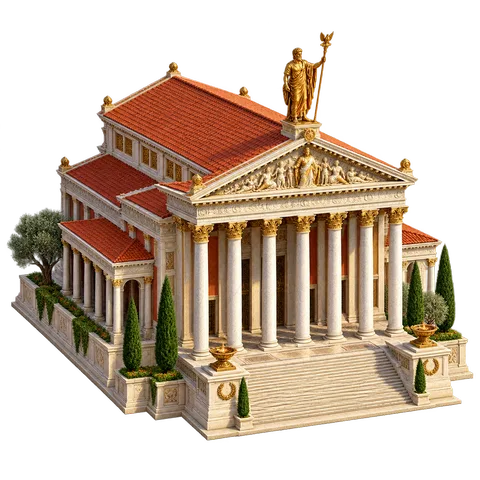 Temple
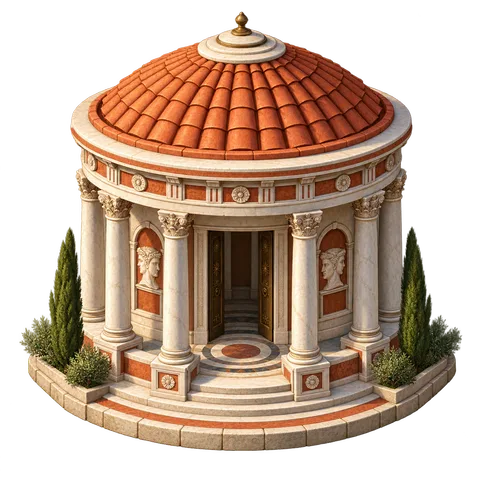 Mausoleum (round tomb)
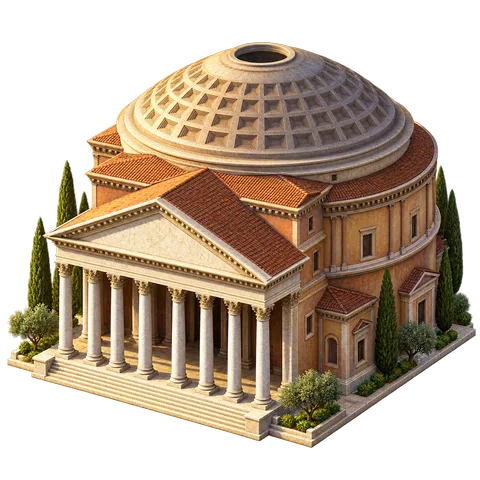 The Pantheon
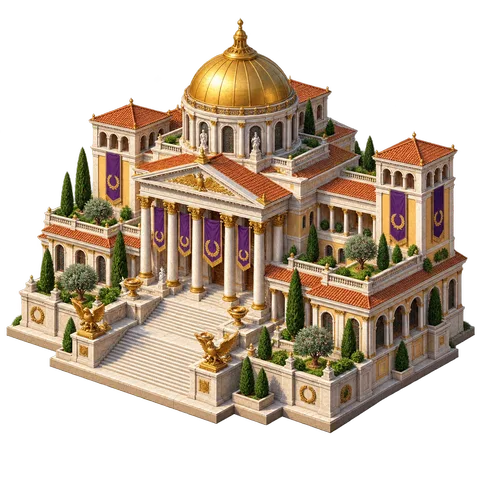 Imperial palace
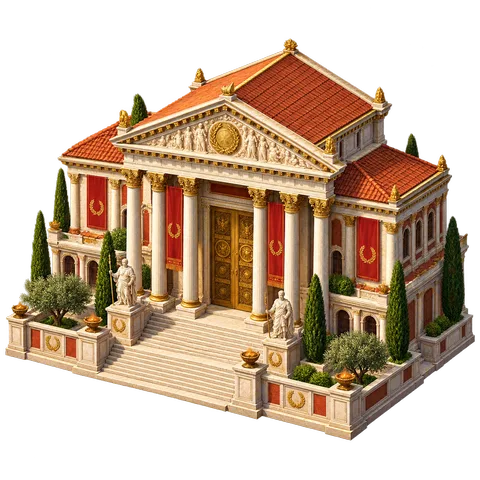 Senate house (curia)
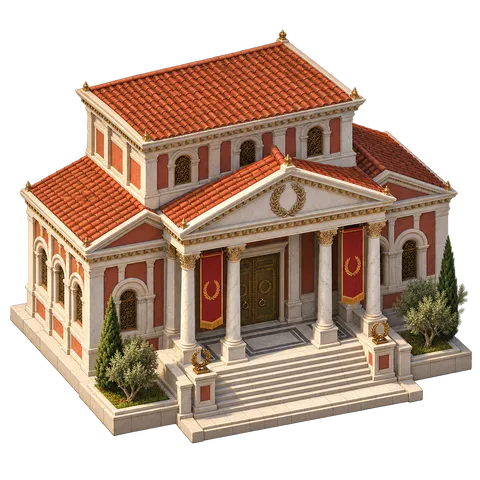 Treasury (Temple of Saturn)
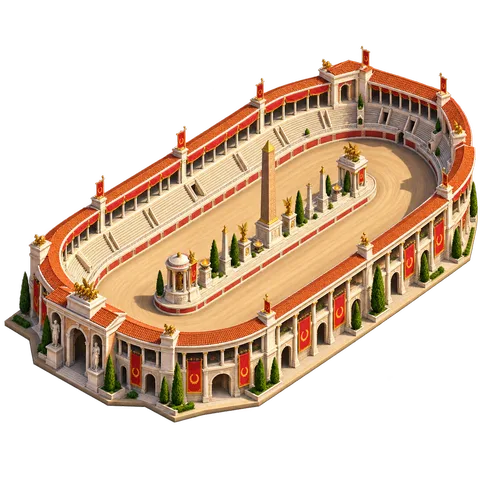 Chariot racetrack (circus)
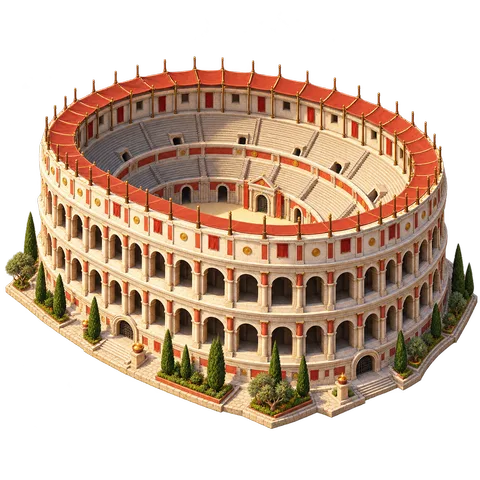 Amphitheater
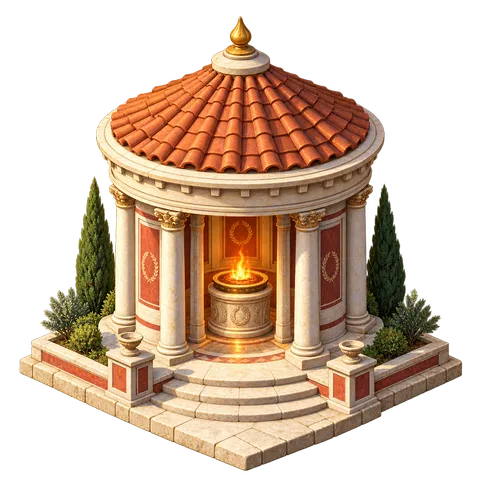 Temple of Vesta
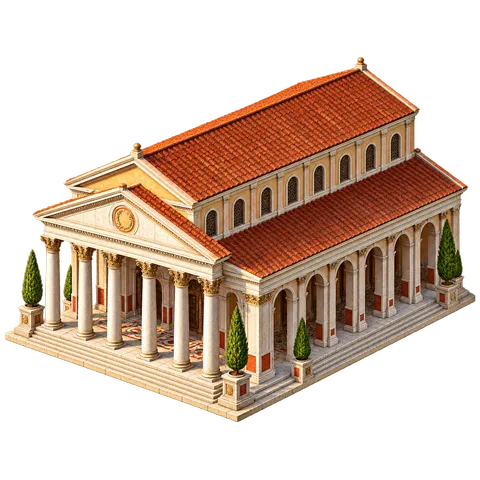 Basilica
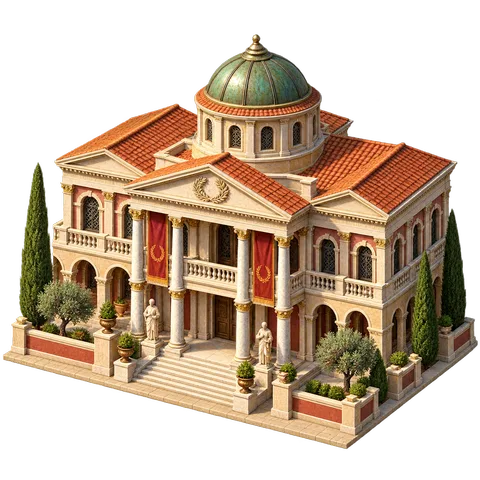 Library
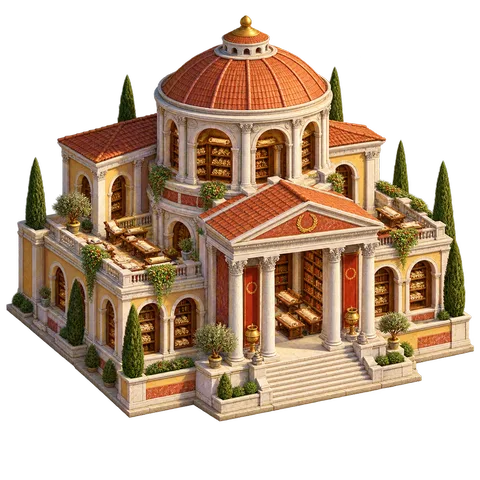 Records office (tabularium)
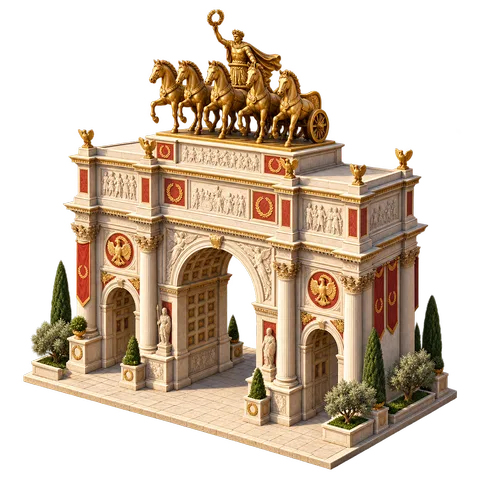 Triumphal arch
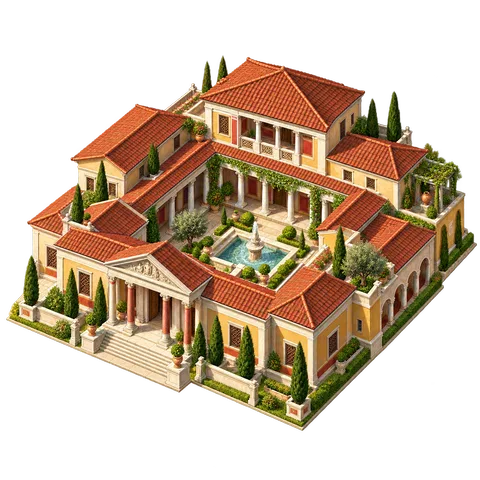 Country villa
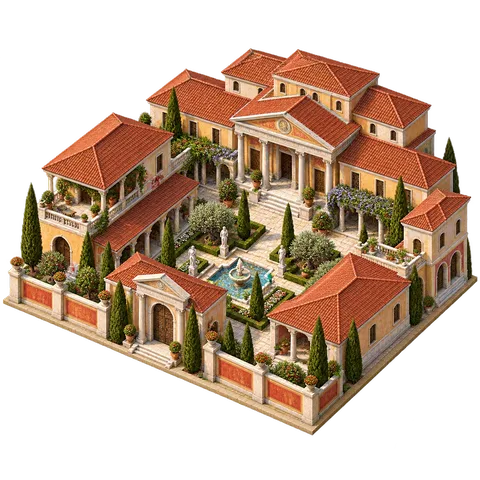 Forum
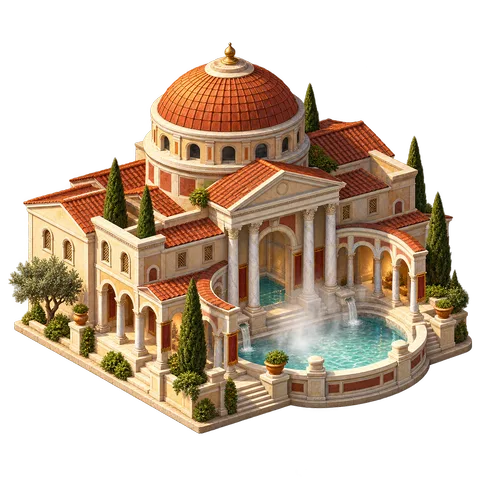 Public baths
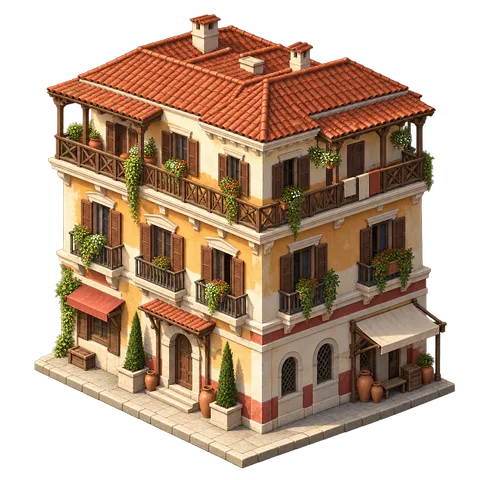 Apartment block (insula)
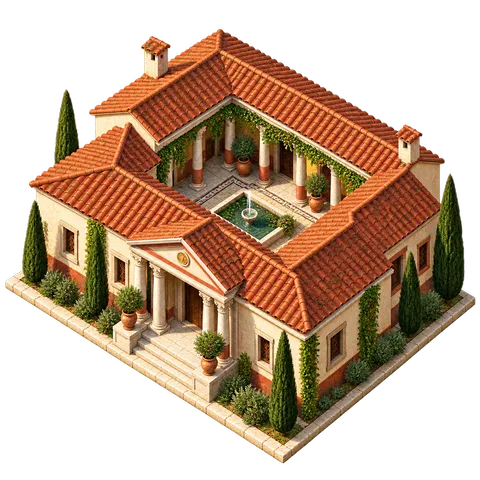 Town house (domus)
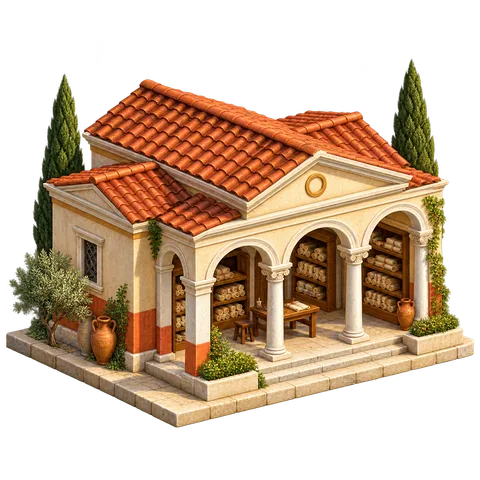 School
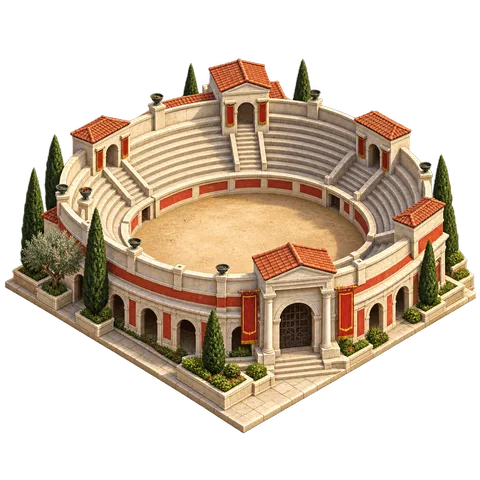 Gladiator school
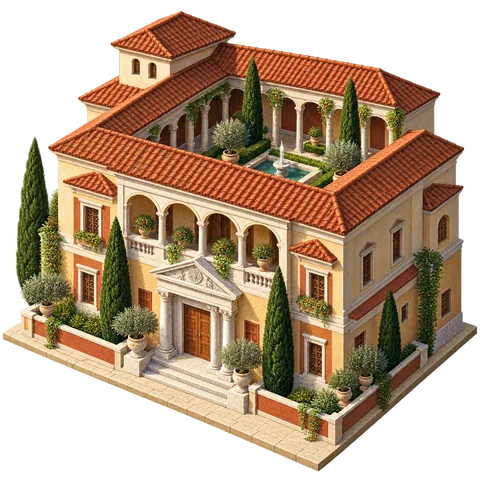 Warehouse (horrea)
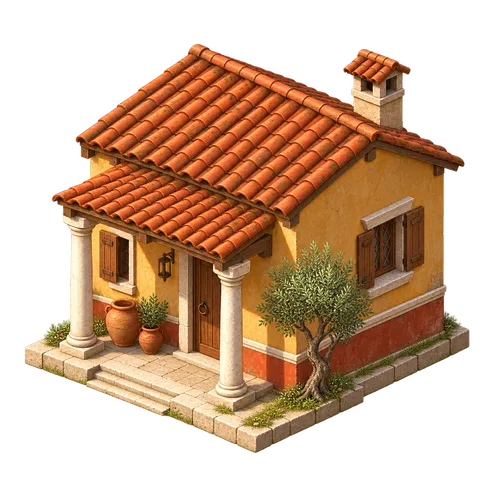 Farmhouse (villa rustica)
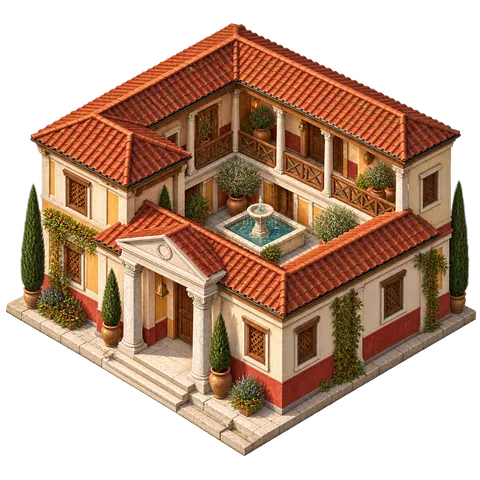 Roadside inn
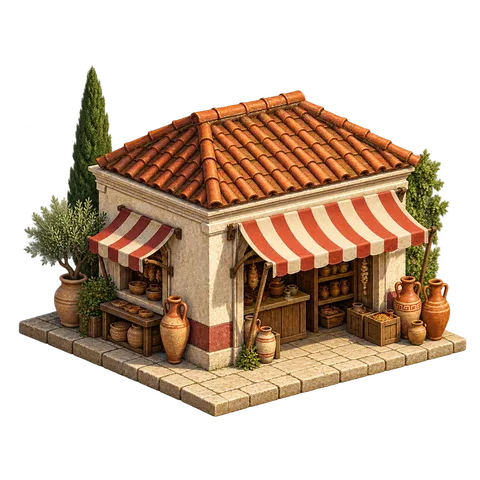 Street shop (taberna)
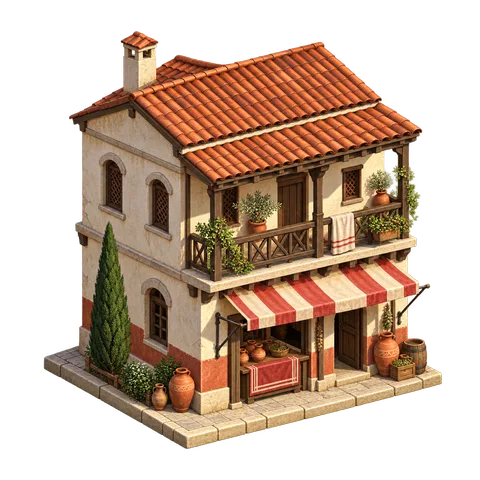 Snack bar (thermopolium)
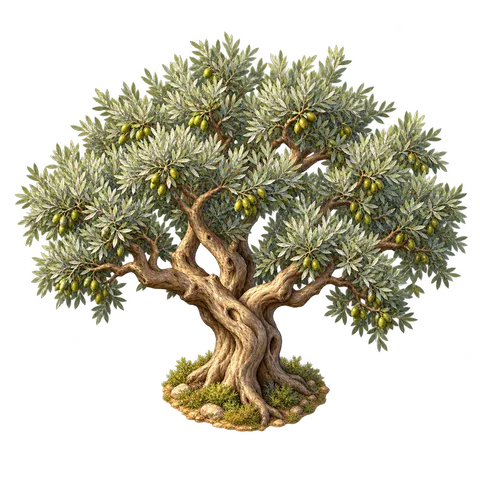
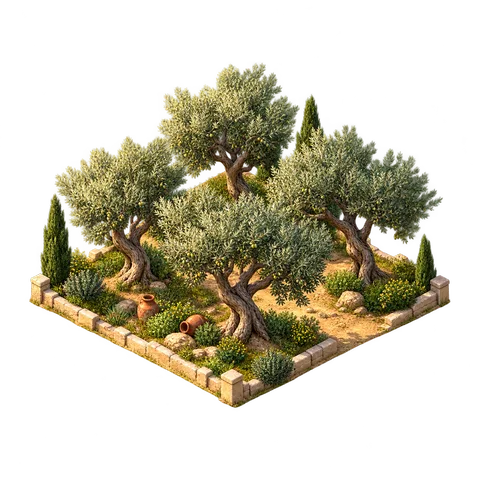 Olive grove
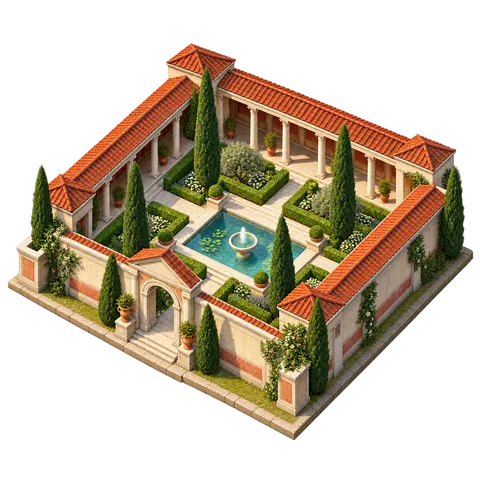 Garden courtyard
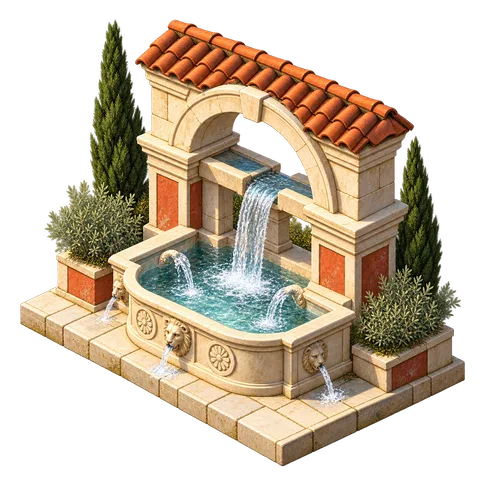 Public fountain
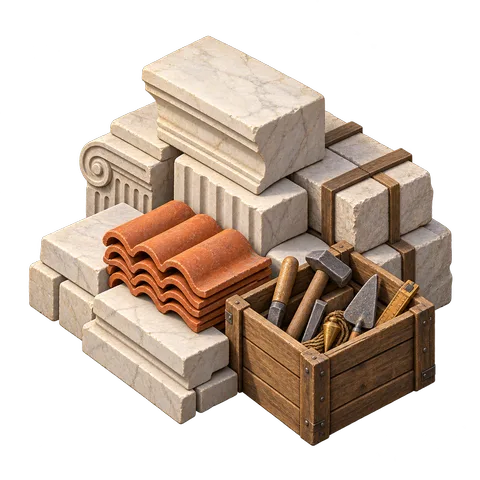 Building materials
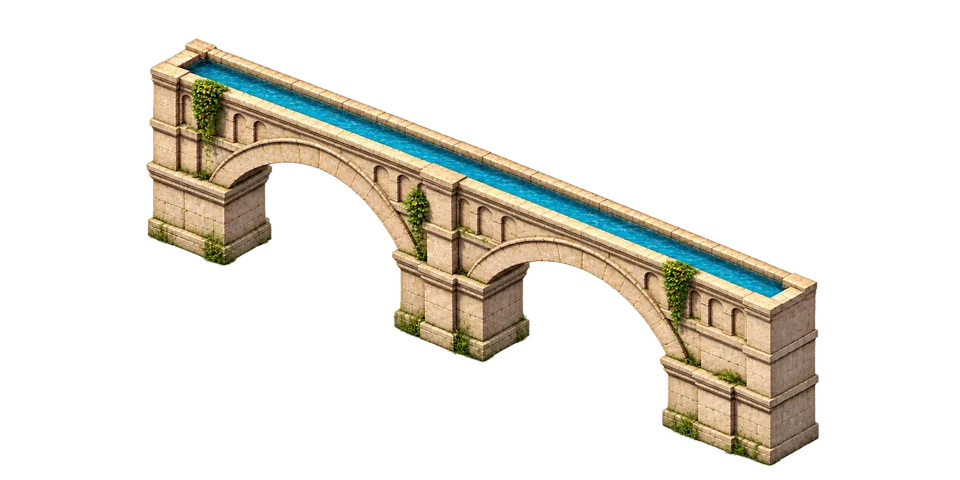 Aqueduct
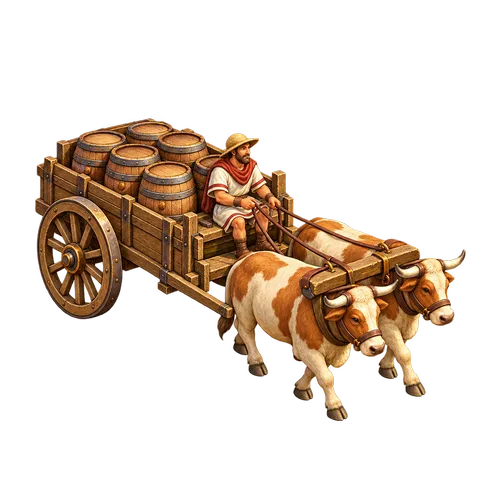 Ox cart
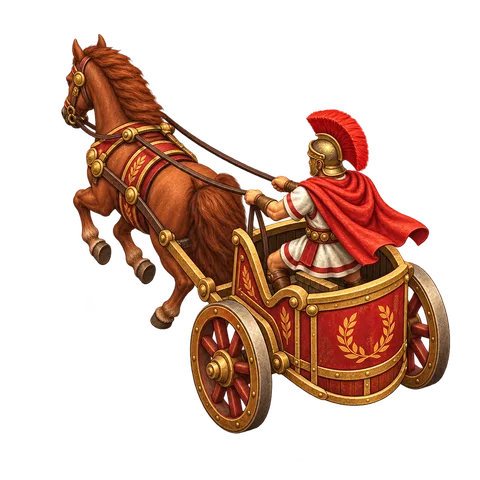 Chariot
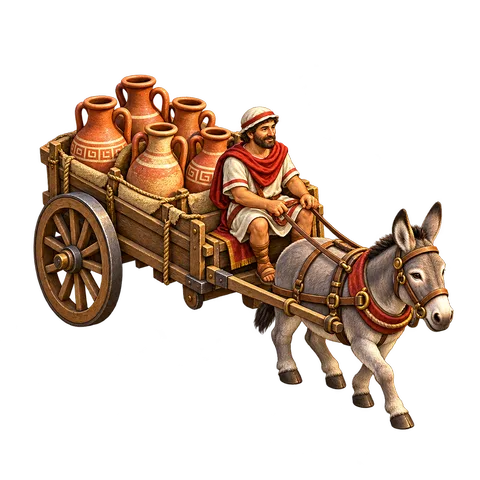 Donkey cart
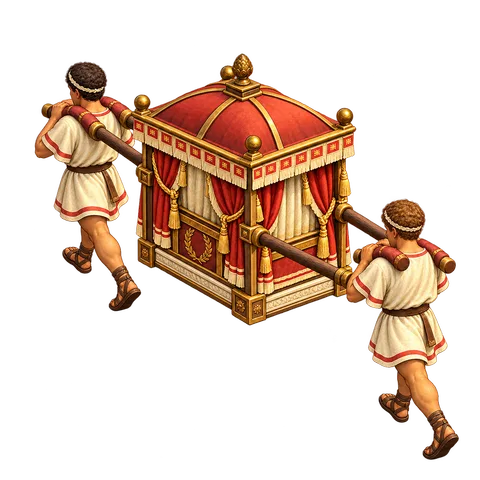 Litter
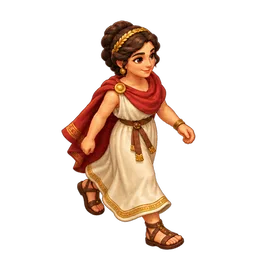 Roman woman
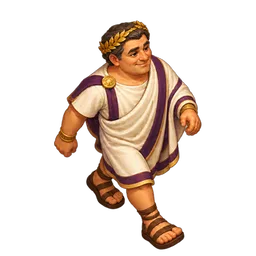 Senator
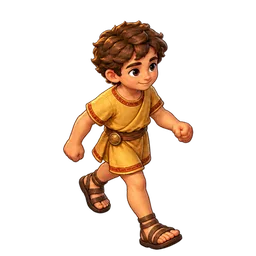 Roman boy
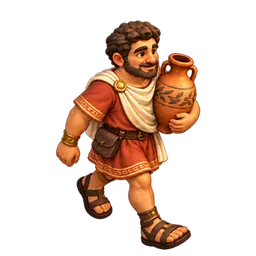 Merchant
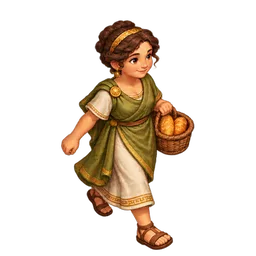 Girl going to market
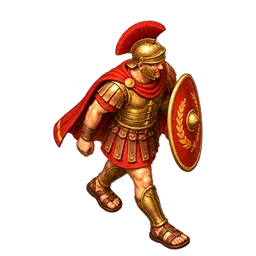 Legionary
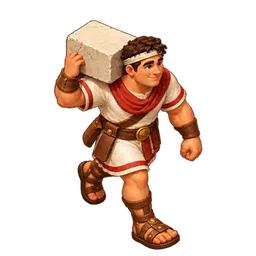 Stone carrier
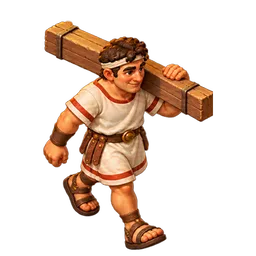 Carpenter
Point at anything on the map to learn what it is.
The buildings are illustrations, not exact reconstructions. Each page separates what history tells us from what the artist imagined, and lists its sources.
All 39 places and vehicles
Water and health
How the city brought in clean water and kept people clean.
- AqueductA channel that carried fresh water from hills and springs many kilometers away into the city, using only gravity.
- Public fountainA stone basin on a street corner where anyone could collect fresh water from the aqueducts.
- Public bathsA huge bathhouse with hot, warm and cold pools where Romans washed, exercised, relaxed and met friends.
Government, law and money
Where Romans debated, judged, kept records and stored public money.
- ForumThe central open square of a Roman town, surrounded by temples, law courts, shops and government buildings.
- BasilicaA large covered hall used as a law court and for banking and business.
- Senate house (curia)The meeting hall of the Roman Senate, where senators debated laws, wars and the running of the state.
- Treasury (Temple of Saturn)Rome's state treasury was kept in the Temple of Saturn, where public money and official records were stored.
Temples and memorials
Places of worship and monuments that told the city's story.
- TempleA house for a god's statue, raised on a high platform with steps and a porch of columns at the front.
- The PantheonA temple with a vast concrete dome and an open circle at the top, still standing and still in use in Rome.
- Temple of VestaA small round temple in the Roman Forum where a sacred fire was kept burning for the safety of the city.
- Mausoleum (round tomb)A grand tomb built outside the city walls so that families and passers-by would remember the dead.
- Triumphal archA grand stone archway built to celebrate a victory or honor an emperor.
- Victory columnA tall column carved with a spiral picture story of an emperor's wars.
- Statue of the emperorStatues of emperors stood in forums and public places across the empire, showing people who ruled them.
Shows and games
Where huge crowds gathered to watch races and contests.
- AmphitheaterA giant oval arena where crowds watched animal hunts and gladiator contests.
- Chariot racetrack (circus)A long racetrack where crowds cheered for chariot teams racing around a central barrier.
- Gladiator schoolA training camp with its own small arena where gladiators lived, practiced and prepared for the games.
Homes
How Romans lived, from crowded apartments to palaces.
- Imperial palaceThe emperors lived and ruled from huge palaces on the Palatine Hill, which gave us the word "palace".
- Apartment block (insula)A building of several floors with shops on the ground floor and rented apartments above, where most city people lived.
- Town house (domus)A private family house that faced inward, built around open-air halls and gardens.
- Country villaA luxurious country house where wealthy Romans escaped the noise of the city.
Food, work and trade
Shops, snack bars, inns and warehouses that kept the city fed.
- Street shop (taberna)A small one-room shop opening straight onto the street, selling food, tools or services.
- Snack bar (thermopolium)A street counter selling hot food and drinks to people who had no kitchen at home.
- Warehouse (horrea)A strong storehouse built around a courtyard, where grain, oil and wine for the city were kept safe.
Learning
Schools, libraries and the city's written records.
- SchoolRoman children learned reading, writing and arithmetic from teachers who often taught in open rooms facing the street.
- LibraryA building where scrolls were stored in wall cupboards and read by scholars and citizens.
- Records office (tabularium)Rome's official archive, where laws and public records were kept, built into the hillside above the Forum.
Gardens and farmland
Plants, farms and the food that came from the land.
- Farmhouse (villa rustica)A working farm in the countryside that grew the grain, olives and grapes that fed the city.
- Garden courtyardA green garden surrounded by covered walkways, with plants, fountains and statues, at the heart of many homes.
- Olive groveGroves of olive trees produced oil used for cooking, lighting lamps, washing and medicine.
Defense and travel
Walls that protected the city and lights that guided ships.
- Roadside innA place for travelers to eat, sleep and rest their animals along Rome's great roads.
- City walls and towersStrong walls with towers and gates protected Roman cities, including Rome itself in later centuries.
- LighthouseA tall tower with a fire on top that guided ships safely into harbor at night.
Building the city
The machines and materials Roman builders used.
Vehicles and getting around
How people and goods move around the city.
- Ox cartA heavy wooden wagon pulled by oxen, used to haul grain, wine, building stone and other heavy loads.
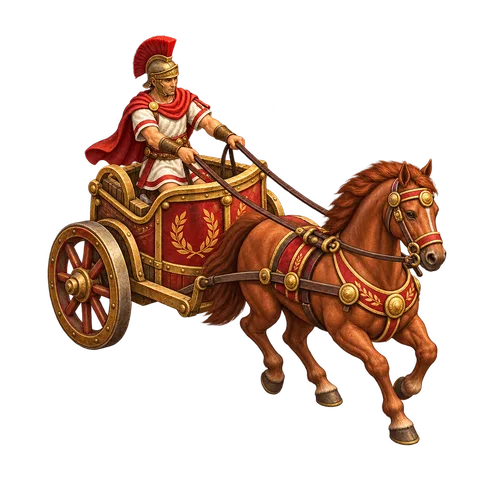 ChariotA light two-wheeled vehicle pulled by horses. Romans raced chariots in the circus and rode them in victory parades.
- Donkey cartA small cart pulled by a donkey or mule, the everyday delivery van of the Roman world.
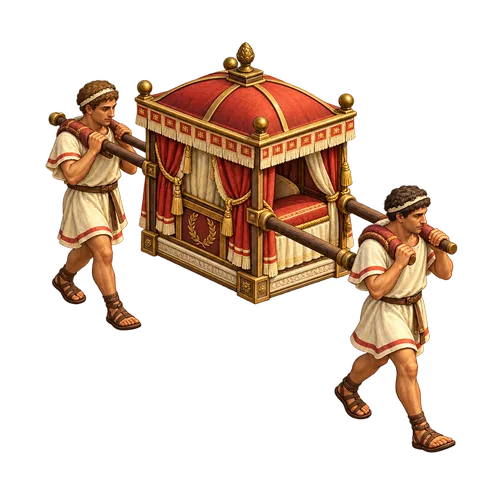 LitterA covered couch carried on poles by bearers. Rich Romans rode in litters through the crowded streets.
Keep exploring
Compare all six worlds See all Ancient Rome artwork
Games with this world: Map hunt · World sort · Shadow match · Picture puzzle