
Ancient Rome · Guided tour
Roman engineering
Water, roads and building methods.
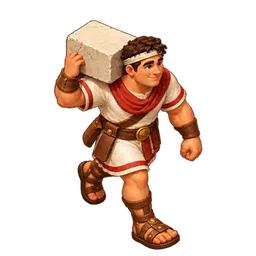
Stop 1
Building materials
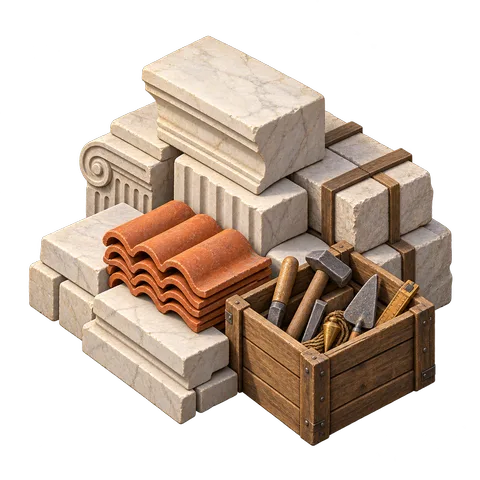
Start with the materials. Romans built with stone, brick, timber and concrete made with volcanic ash. Their concrete could even set underwater.
Why might volcanic ash make concrete stronger?
Read the full page about the building materials · Find it on the map
Stop 2
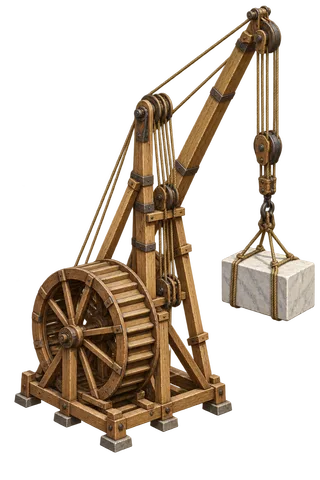
Treadwheel crane
Heavy blocks were lifted by cranes powered by people walking inside a giant wheel. Pulleys multiplied their strength.
How does a pulley make lifting easier?
Read the full page about the treadwheel crane · Find it on the map
Stop 3
Aqueduct
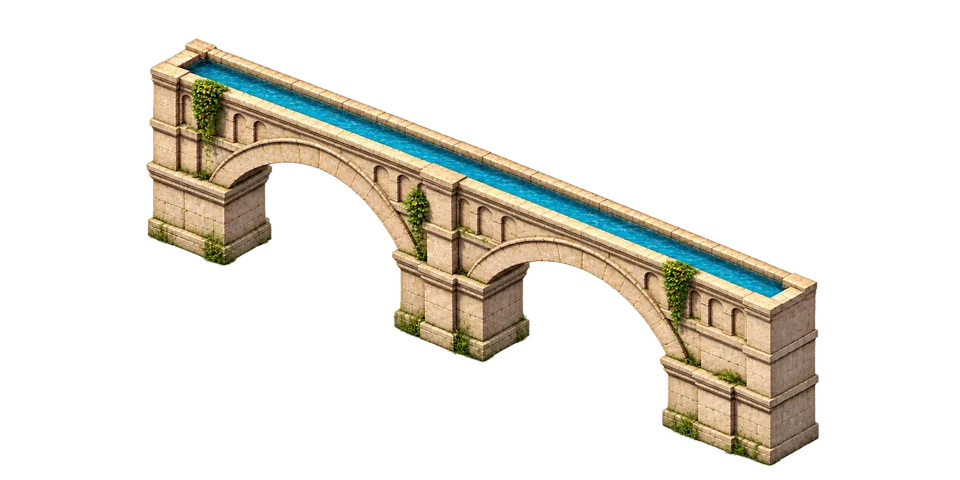
Aqueducts carried water for kilometers, sloping down so gently you could hardly see it. Most of the channel ran underground.
What would happen if the slope were too steep, or too flat?
Stop 4
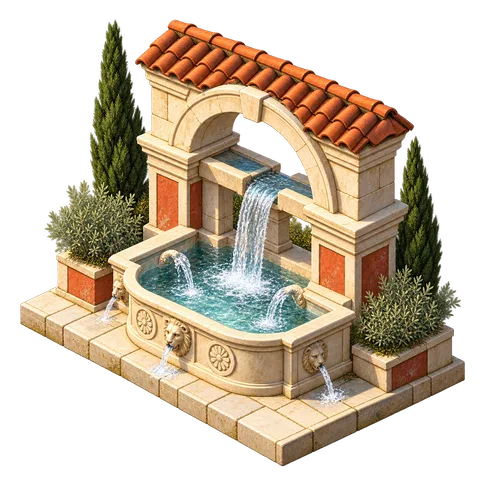
Public fountain
Most people did not have water at home. They filled jars at street fountains, which ran day and night.
Where does your water come from, and where does it go after you use it?
Read the full page about the public fountain · Find it on the map
Stop 5
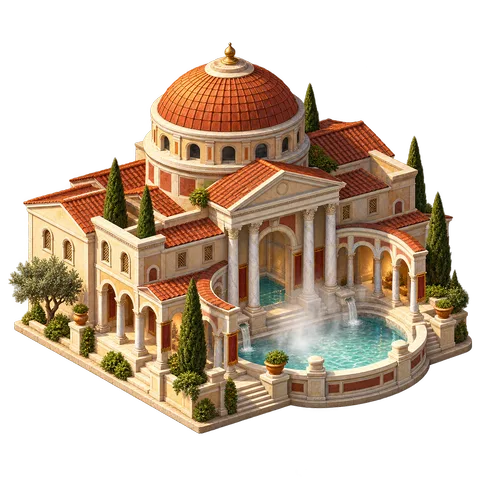
Public baths
The baths used water and fire together: furnaces heated air that flowed under the floors and through the walls.
Why would a city build huge public baths for everyone?
Read the full page about the public baths · Find it on the map
Stop 6
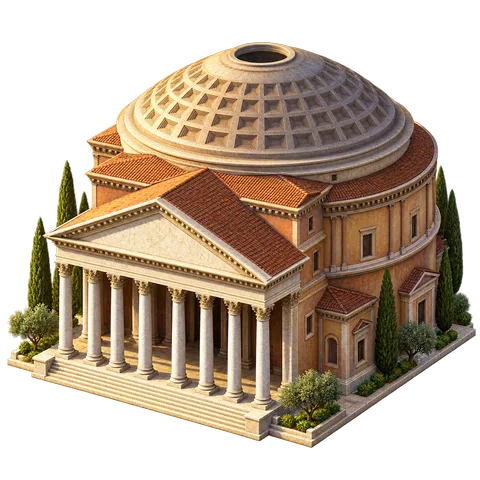
The Pantheon
Look up: the Pantheon's dome is still the largest unreinforced concrete dome in the world, nearly 1,900 years later. The concrete gets lighter toward the top.
Why would builders use lighter material at the top of a dome?
Stop 7
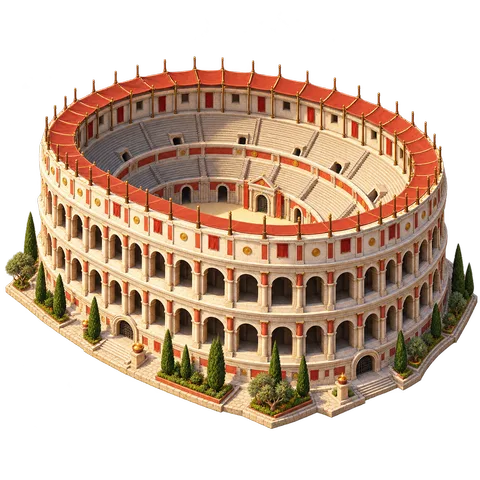
Amphitheater
Arches carried the weight of tens of thousands of spectators, and numbered entrances let crowds in and out quickly.
How do stadiums today move big crowds safely?
Read the full page about the amphitheater · Find it on the map
Stop 8
Ox cart
Roads tied it all together. Layers of stone and gravel, a curved surface for rain, and milestones to measure the way.
Which Roman idea do we still use in roads today?
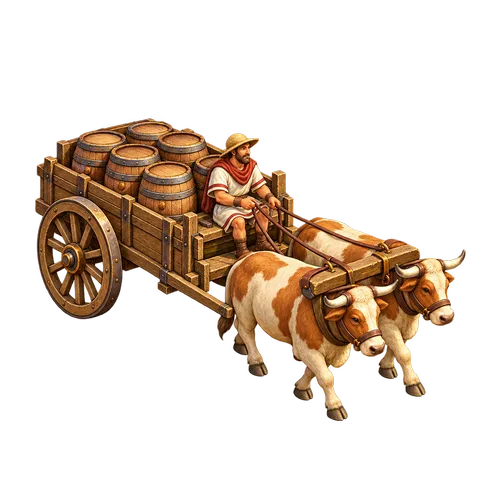
Think it over
- Which Roman invention do you think mattered most? Why?
- Much of this work was done by enslaved people. How should we remember them when we admire these buildings?
- Which Roman building would you most like to see standing today?
For a full lesson, see Build a model Roman aqueduct: a hands-on STEM activity.
More tours
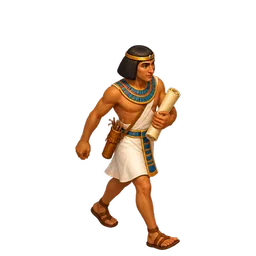 Ancient Egypt · 8 stopsLife on the NileThe river, food, writing and great monumentsYour guide: scribe
 Modern Town · 8 stopsModern neighborhoodsGetting around, public spaces and access for everyoneYour guide: teen with a backpack
 Green World · 8 stopsEcological designImaginative ideas about water, plants and shared landYour guide: flower cart
 Robotic Future · 7 stopsHuman choices in robotic citiesTechnology, energy and who decidesYour guide: engineer
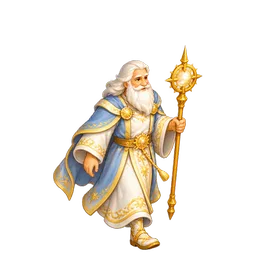 Heavenly City · 10 stopsThe story of JesusThe good news of Jesus, from beginning to endYour guide: elder with a staff