History What it was
A city of perhaps a million people needed enormous amounts of food, most of it shipped in from across the Mediterranean. Goods arriving at the port were stored in warehouses called horrea before being sold or handed out.
History How it worked
Many warehouses were built around a central courtyard, with rows of storerooms on one or two floors. Thick walls, small windows and raised floors helped keep grain dry, cool and safe from thieves and pests. Heavy doors could be locked.
In Ostia, the Horrea Epagathiana, a two-story warehouse from the 2nd century AD, still has its decorated brick entrance with an inscription naming its owners.
History Feeding Rome
The Roman government organized a regular grain supply for the city, and for long periods free or cheap grain was handed out to many citizens. Olive oil and wine traveled in clay jars called amphorae. In Rome, so many broken oil jars were thrown away near the warehouses by the river that they formed a whole hill, Monte Testaccio, which still stands today.
Art In this artwork
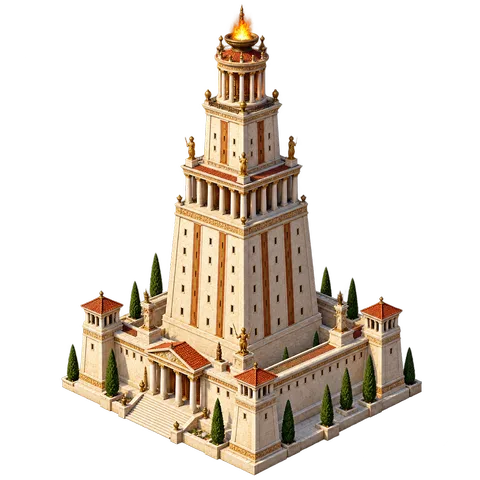
This illustration is grander than a typical warehouse. It is used here to show the courtyard plan many warehouses shared.
Look closer
- Find the courtyard in the middle.
- Notice how the rooms surround it.
Think about it
- How does food reach the shops in your town?
- Why would a city government care about its food supply?
- What would happen if the grain ships stopped coming?
Key words
- Horrea
- Warehouses or storehouses.
- Amphora
- A two-handled clay jar for oil or wine.
- Port
- A town with a harbor for ships.
Sources
The history on this page is a short summary based on these sources:
- Smarthistory, "Ostia: an introduction"
- Encyclopaedia Britannica, "Aerarium"