History What it was
A government needs records: laws, treaties, decisions, lists of citizens and accounts. In Rome these were kept in archives, and the most famous building linked with them is the Tabularium. Its name comes from tabula, meaning a tablet, because many records were written on tablets of wax, wood or bronze.
History How it worked
The Tabularium was built around 78 BC on the slope of the Capitoline Hill, facing down over the Roman Forum. An inscription names the consul Quintus Lutatius Catulus as responsible for it. Its strong stone walls and vaulted rooms helped protect documents from fire.
Important laws were also engraved on bronze tablets and displayed in public so that everyone could read them. Some of these bronze tablets survive in museums today.
History What you can see today
The lower part of the Tabularium still forms the base of Rome's city hall on the Capitoline Hill. Visitors to the Capitoline Museums can walk through its arched gallery and enjoy one of the best views over the Roman Forum.
Art In this artwork
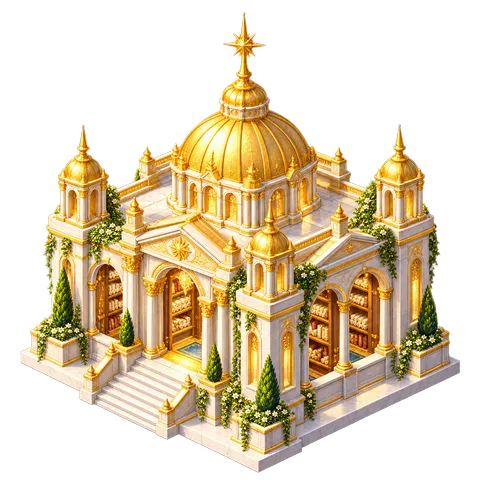
This domed building with desks and scroll shelves is the artist's interpretation of a records office.
Look closer
- Find the desks and shelves.
- Why might records need a strong building?
Think about it
- What records does your government keep about you?
- Why was it important to display laws in public?
- What happens when records are lost or destroyed?
Key words
- Archive
- A collection of records.
- Tabula
- A writing tablet.
- Consul
- One of the two highest officials of the Roman Republic.
Sources
The history on this page is a short summary based on these sources:
- Encyclopaedia Britannica, "Aerarium"
- Smarthistory, "The Roman Forum (Forum Romanum)"
- UNESCO World Heritage Centre, "Historic Center of Rome"