History What it was
Sea trade was vital to the Roman Empire, and harbors needed lights so that ships could find their way at night and avoid rocks. The Romans were inspired by the famous lighthouse of Alexandria in Egypt, the Pharos, and the Latin word for lighthouse, pharus, comes from its name.
History How it worked
A fire was kept burning at the top of the tower at night, and its smoke could help guide ships by day. Keepers had to carry fuel up to the top and tend the flame. Lighthouses were built on headlands and at harbor entrances, where their light could be seen far out to sea.
At Portus, Rome's great harbor near Ostia, the emperor Claudius built a lighthouse on an artificial island in the harbor entrance.
History Places you can still see
The Tower of Hercules in A Coruña, Spain, was built in the late 1st century AD and is still a working lighthouse today, the only Roman lighthouse still used for its original purpose. Its Roman core was encased in new stone in the 18th century. At Dover in England, part of a Roman lighthouse still stands beside a church inside Dover Castle.
Art In this artwork
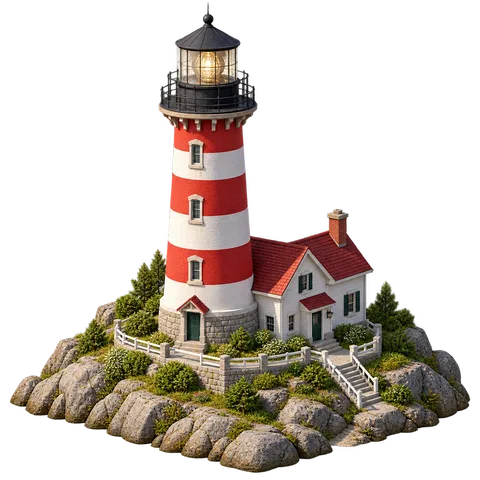
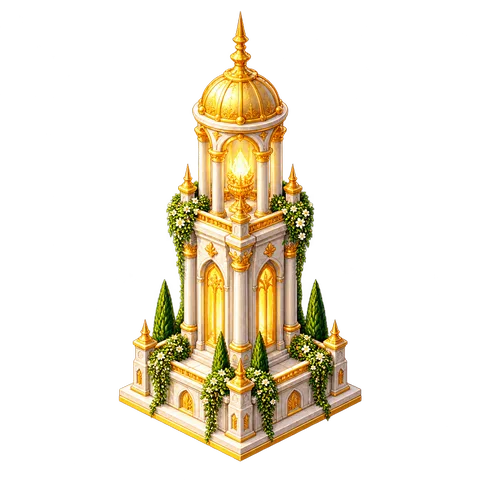
This tower is an illustration, not the Tower of Hercules.
Look closer
- Find where the fire burns at the top.
- Notice the walls around the base.
Think about it
- How did sailors find a safe harbor before electric lights?
- Why would an empire invest in lighthouses?
- What guides ships and planes today?
Key words
- Pharos
- A lighthouse, named after the one at Alexandria.
- Headland
- A point of land sticking out into the sea.
- Harbor
- A sheltered place where ships can stay safely.
Sources
The history on this page is a short summary based on these sources:
- UNESCO World Heritage Centre, "Tower of Hercules"
- Suetonius, Lives of the Caesars: Augustus, Claudius and Nero