Real world Why it matters
Clean water is one of the greatest public health achievements in history. In 1854, the doctor John Snow traced a cholera outbreak in London to a single contaminated water pump on Broad Street. His work helped prove that disease could spread through dirty water and led cities to build sewers and treatment systems.
Even today, the WHO and UNICEF report that billions of people do not have safely managed drinking water at home.
Real world From river to tap
- Source: water is taken from a river, lake, reservoir or underground aquifer.
- Coagulation and flocculation: chemicals make tiny particles clump together.
- Sedimentation: the clumps settle to the bottom of large tanks.
- Filtration: water passes through sand, gravel or membranes.
- Disinfection: chlorine, ultraviolet light or ozone kills germs.
- Storage and distribution: water towers and pumps keep it under pressure in pipes under every street.
Real world After the drain
Used water from sinks and toilets flows through sewers to a wastewater treatment plant. There, solids are removed, bacteria break down waste, and the cleaned water is returned to rivers or reused. Rainwater from streets often goes through separate storm drains.
Old pipes need care. In Flint, Michigan, a change of water source in 2014 caused lead to leach from old pipes, a crisis that showed why water systems need constant testing and investment.
Art In this artwork
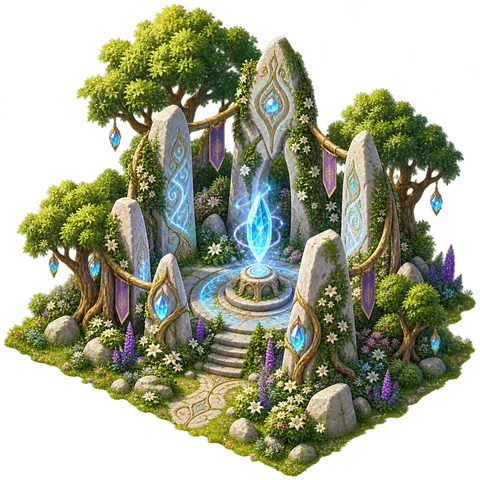
This is the water ground artwork from the Modern world. The pipes and plants that make water safe are usually out of sight.
Look closer
- Imagine the network of pipes under this water.
- Where in your town might water come from?
Think about it
- How many times a day do you use water? For what?
- Why do you think water systems are often invisible?
- Who should pay to replace old pipes?
Key words
- Aquifer
- Underground rock or soil that holds water.
- Disinfection
- Killing germs in water.
- Wastewater
- Used water from homes and businesses.
Use it in class
- Design a city: a project-based unit for grades 5 to 9 (Project, grades 5-9)
- Build a model Roman aqueduct: a hands-on STEM activity (Project, grades 4-8)
- How did Roman aqueducts work? (Explainer, grades 4-12)
- How do cities get clean water? (Explainer, grades 4-12)
- What does a city need to work? (Explainer, grades 3-9)
- Explore your town: a neighborhood walk and scavenger hunt (Lesson, grades K-8)
Sources
The facts on this page are based on these sources:
- US Centers for Disease Control and Prevention, "Water Treatment" (community water systems)
- US Environmental Protection Agency, drinking water and wastewater treatment overviews
- WHO/UNICEF Joint Monitoring Program for Water Supply, Sanitation and Hygiene