
The essentials
- Water in, waste out: treatment plants, pipes and sewers.
- Energy: electricity and heat for homes, schools and hospitals.
- Transportation: streets, sidewalks, bike lanes, buses and trains.
- Homes: for people of every income and household size.
- Food: shops, markets and the trucks and warehouses that supply them.
- Health and safety: clinics, hospitals, fire and police services.
- Learning: schools and libraries.
- Decisions: local government, laws and a way for residents to be heard.
- Public space: parks and squares where people meet.
Sorting activity
Print the list of buildings from one world on this site. In groups, students sort each building into the categories above. Some fit in more than one; let them argue it out. Then ask: which category has the fewest buildings? What would happen if it disappeared?
The same needs, every era
Ancient Rome, a modern town, an imagined green city and a settlement on Mars all need the same basics. Only the technology changes. On Mars, even air must be made and recycled.
Questions students and teachers ask
What is infrastructure?
The basic systems a community needs to function, such as roads, water pipes, power lines and communication networks.
What is the most important thing a city needs?
Clean water is often called the most essential, because without it disease spreads quickly. But a city needs all its systems working together.
Building pages to use with this guide
 Modern TownWater systemHidden pipes, pumps and treatment plants bring clean water to every tap and carry dirty water safely away.
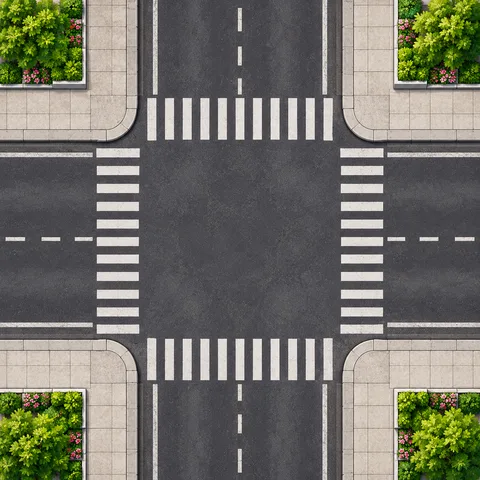 Modern TownStreets and crosswalksStreets are a town's largest public space. Their design decides whether walking, cycling and crossing feel safe.
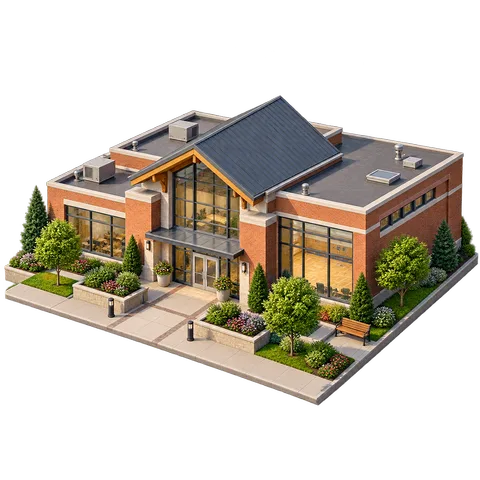 Modern TownHealth clinicA neighborhood clinic where people see a doctor or nurse, get vaccines and stay healthy before small problems grow.
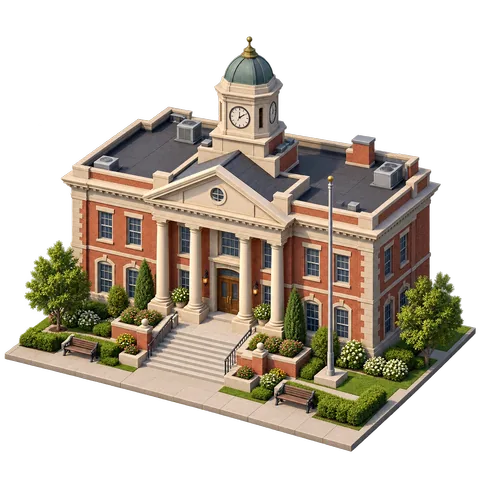 Modern TownTown hallThe home of local government, where elected leaders meet and residents get public services.
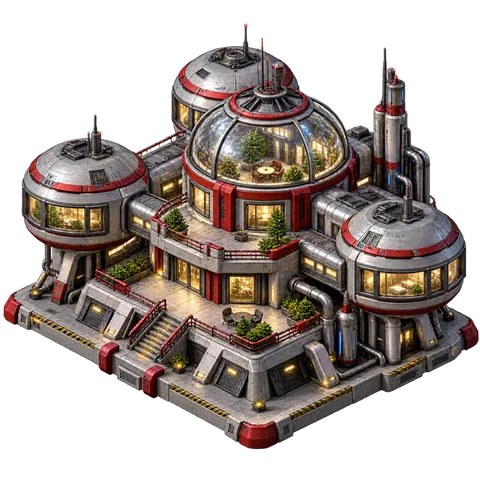 Robotic FutureLife support domeThe machinery that keeps air breathable, removes carbon dioxide and controls temperature: the beating heart of any space home.
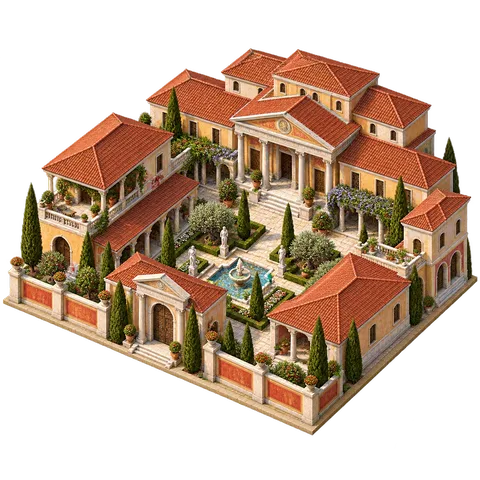 Ancient RomeForumThe central open square of a Roman town, surrounded by temples, law courts, shops and government buildings.
Sources
The facts in this guide are based on these sources:
- United Nations, "World Urbanization Prospects: The 2018 Revision"
- US Centers for Disease Control and Prevention, "Water Treatment"
- American Planning Association, "What Is Planning?" and "City by Design" resources for young people