
The four main treatment steps
- Coagulation and flocculation: chemicals make tiny particles stick together into clumps called floc.
- Sedimentation: the heavy floc sinks to the bottom of big tanks.
- Filtration: water passes through layers of sand, gravel and charcoal, or fine membranes.
- Disinfection: chlorine, ultraviolet light or ozone kills remaining germs.
Why water towers?
A water tower stores treated water high up. Gravity creates pressure in the pipes below, so water flows out of taps even when pumps are off. Towers also provide a reserve for busy times and firefighting.
After the drain
Used water flows through sewers to a wastewater treatment plant, where solids are removed and bacteria break down waste before the cleaned water is returned to a river or reused.
Classroom activity: make a simple filter
Layer gravel, sand and cotton in a cut plastic bottle and pour muddy water through it. The water comes out clearer, but explain clearly that it is NOT safe to drink, because filtering alone does not kill germs. That is why the disinfection step matters.
Questions students and teachers ask
Where does tap water come from?
From rivers, lakes, reservoirs or groundwater (aquifers), depending on the city. Your local water supplier publishes where yours comes from.
Why is chlorine added to drinking water?
Chlorine kills harmful germs and keeps the water safe as it travels through pipes.
Does everyone in the world have clean water?
No. The WHO and UNICEF report that billions of people still lack safely managed drinking water at home.
Building pages to use with this guide
 Modern TownWater systemHidden pipes, pumps and treatment plants bring clean water to every tap and carry dirty water safely away.
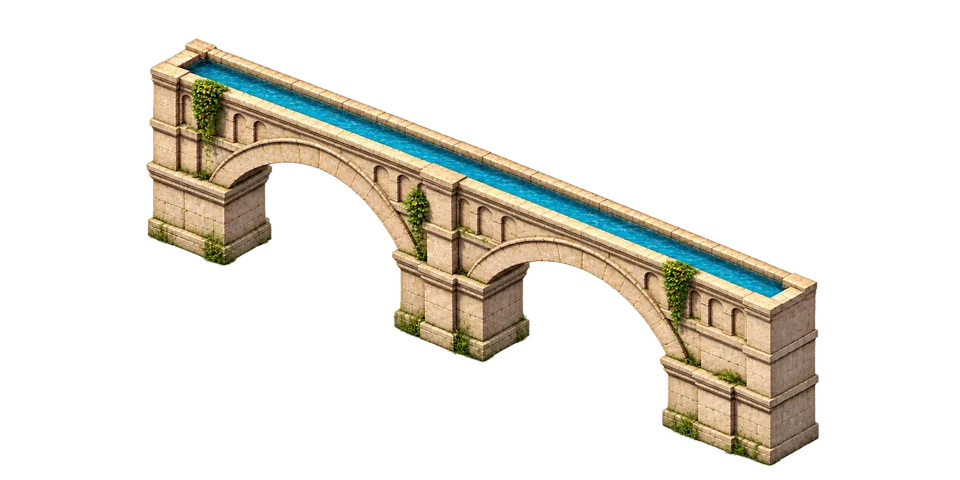 Ancient RomeAqueductA channel that carried fresh water from hills and springs many kilometers away into the city, using only gravity.
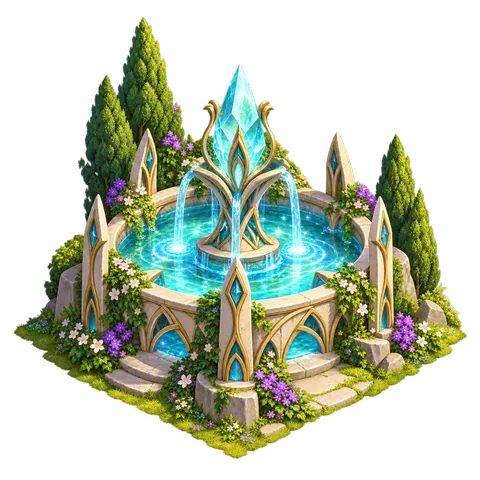 Green WorldWetland fountainAn imagined fountain that cleans water as it flows. Real "constructed wetlands" use plants and microbes to purify wastewater.
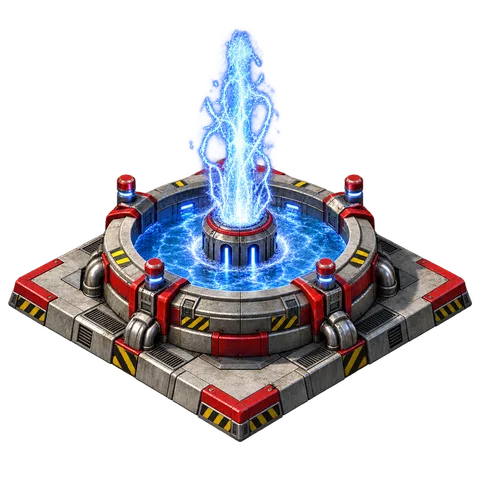 Robotic FutureWater recyclerA system that cleans and reuses almost every drop of water, including sweat and urine, because water is too precious to waste.
Sources
The facts in this guide are based on these sources:
- US Centers for Disease Control and Prevention, "Water Treatment"
- US Environmental Protection Agency, drinking water and wastewater overviews
- WHO/UNICEF Joint Monitoring Programme for Water Supply, Sanitation and Hygiene