Imagined What it could do
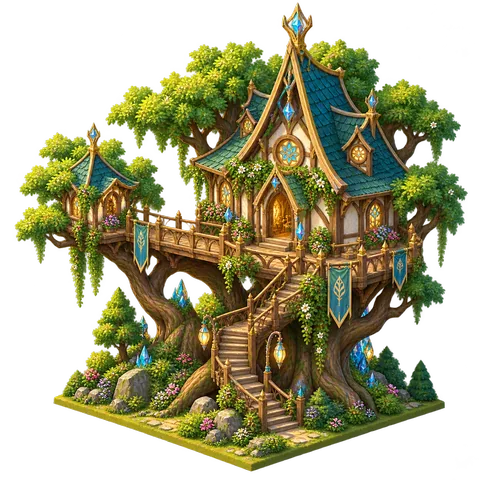
Imagine a library carved into an ancient hollow tree, where shelves hold tiny jars of seeds from every plant in the forest. Anyone could borrow seeds to grow, and return new seeds at harvest.
Real world Why store seeds?
Thousands of crop varieties and wild plants are at risk from disease, climate change, war and habitat loss. Seeds are like tiny backups of a plant's whole genetic recipe. If they are dried and frozen, many kinds can survive for decades or even centuries, ready to be grown again.
Real world The world's seed vaults
The Svalbard Global Seed Vault, opened in 2008, is dug deep into a mountain on an Arctic island in Norway. It stores backup copies of seeds from gene banks around the world. In 2015, during the war in Syria, a research center that had lost access to its own seed bank withdrew seeds from Svalbard to grow new stocks: the first withdrawal in the vault's history.
In England, the Royal Botanic Gardens, Kew, runs the Millennium Seed Bank, which focuses on wild plants. Many towns also have small "seed libraries" where gardeners share seeds from their own plants.
Art In this artwork
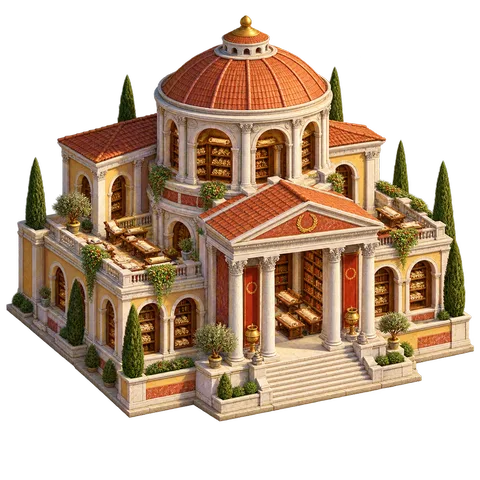
This illustration shows a library built into a huge hollow tree trunk with shelves inside and a glowing doorway.
Look closer
- Look for shelves inside the trunk.
- Find the door at the base of the tree.
Think about it
- Why might it be important to save seeds from plants we do not use today?
- What seeds would you put in a seed library?
- Why would a seed vault be built inside a frozen mountain?
Key words
- Seed bank
- A place where seeds are stored to protect plant varieties.
- Variety
- A particular type of a plant, like a kind of apple.
- Genetic diversity
- Differences in genes within a species.
Use it in class
- How to design a fantasy city: a worldbuilding guide (Guide, grades 6-12)
Sources
The real-world facts on this page are based on these sources:
- Crop Trust and the Norwegian Government, "Svalbard Global Seed Vault" (opened 2008), including the first withdrawal of seeds in 2015
- Royal Botanic Gardens, Kew, "Millennium Seed Bank"