Real world Why cities build stadiums
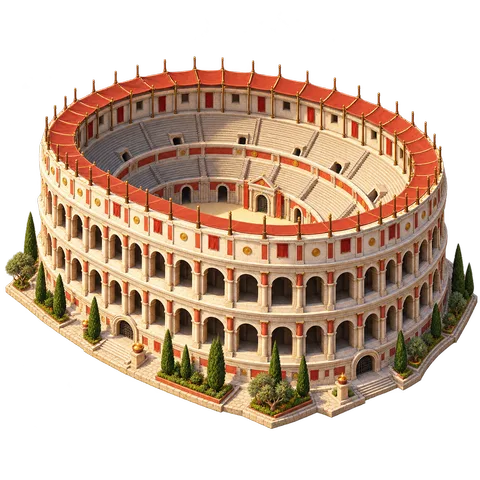
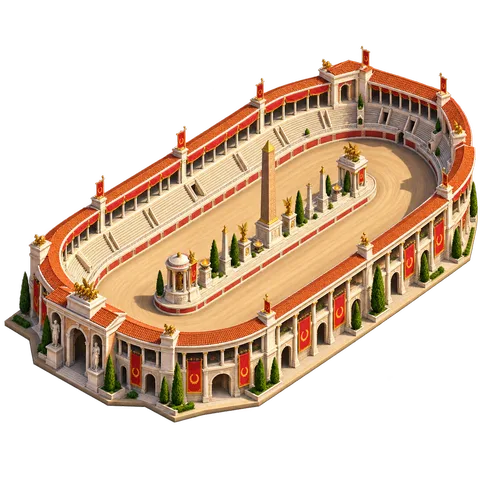
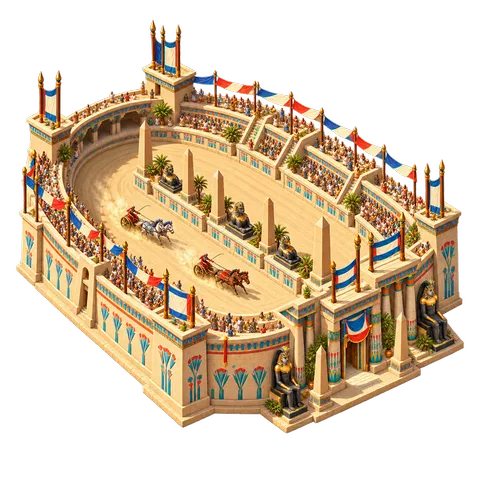
Stadiums host the big moments that bring people together: championship games, concerts and festivals. The word comes from the ancient Greek "stadion", a running track, and the Roman Colosseum shows how long people have gathered in vast crowds.
Real world How a stadium works
The seating bowl is designed so every seat can see the field, with rows rising steeply enough to see over the people in front. Roofs or canopies protect fans from rain. Huge numbers of people must arrive and leave safely, so engineers model crowd flows and design wide stairs, many exits and links to trains and buses.
- Steel or concrete stands with clear sightlines.
- Floodlights, giant screens and sound systems.
- Kitchens, toilets, first-aid rooms and security.
- Grass or hybrid fields kept healthy with lighting rigs and under-soil heating in some stadiums.
Real world Costs and benefits
Stadiums are very expensive. Cities sometimes pay part of the cost with public money, hoping for jobs and visitors. Researchers often find the economic benefits are smaller than promised, so many towns now debate who should pay, and how the stadium can be used on days without matches.
Art In this artwork
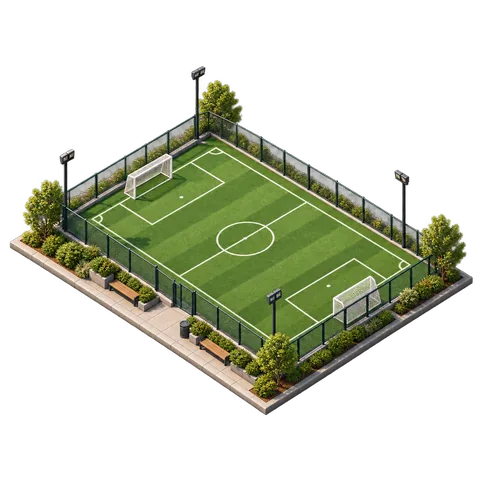
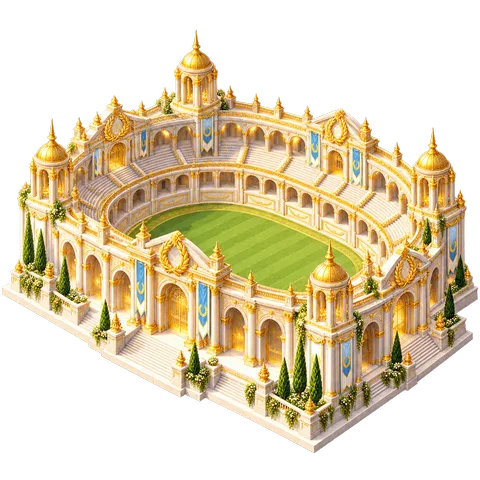
This illustration shows a soccer stadium with red seats and floodlights. It is much smaller than a real stadium.
Look closer
- Look at how the seats rise around the field.
- Find the floodlights.
Think about it
- Compare this with the Roman amphitheater. What is the same, and what is different?
- Should cities pay to build stadiums for private teams?
- How can tens of thousands of people leave a stadium safely?
Key words
- Sightline
- A clear view from a seat to the field.
- Capacity
- How many people a place can hold.
- Crowd management
- Planning how large crowds move safely.
Use it in class
- Ancient Rome vs modern cities: compare and contrast (Lesson, grades 6-12)
- What makes a good place to live? Discussion questions (Lesson, grades 5-12)
Sources
The facts on this page are based on these sources:
- Encyclopaedia Britannica, "Stadium"
- National Fire Protection Association, information on sprinklers and fire safety in buildings