
Comparison chart
- Water: Roman aqueducts and street fountains / modern treatment plants, pipes and taps.
- Housing: insulae apartment blocks / apartment buildings and towers.
- Entertainment: amphitheater and chariot racetrack / stadiums.
- Government: the Senate house and basilica law courts / city hall, capitol and courthouses.
- Shopping: one-room street shops and snack bars / corner stores and restaurants.
- Getting around: walking, carts and paved roads / sidewalks, buses, cars and bikes.
How to run the lesson
- Pairs choose one row of the chart.
- They read the matching Roman and modern building pages on this site (linked below).
- Each pair lists two similarities and two differences, with evidence.
- The class builds a big Venn diagram together.
- Close with: "What problem did Rome solve better than we do?"
Things students often notice
Rome had no public school system and most people could not vote, while modern cities have public schools and wider voting rights. Roman apartments had the best rooms at the bottom; modern towers often charge the most for the top. Both cities struggled with fire, traffic and crowded housing.
Questions students and teachers ask
How was ancient Rome like a modern city?
It had apartment blocks, street shops, fast food counters, public baths, paved roads, a water supply system, entertainment venues and crowded housing problems.
How was ancient Rome different from modern cities?
It had no electricity, engines or public schools, enslaved people did much of the work, and most residents had little say in government.
Building pages to use with this guide
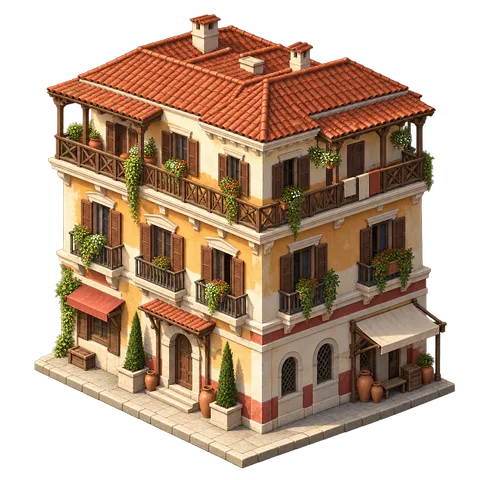 Ancient RomeApartment block (insula)A building of several floors with shops on the ground floor and rented apartments above, where most city people lived.
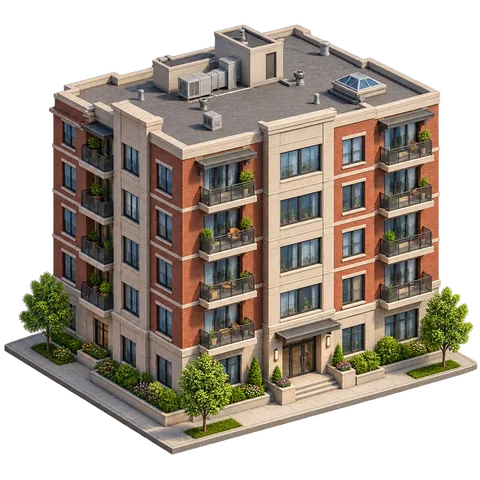 Modern TownApartment buildingA building of several floors with many homes stacked together, sharing walls, stairs and services.
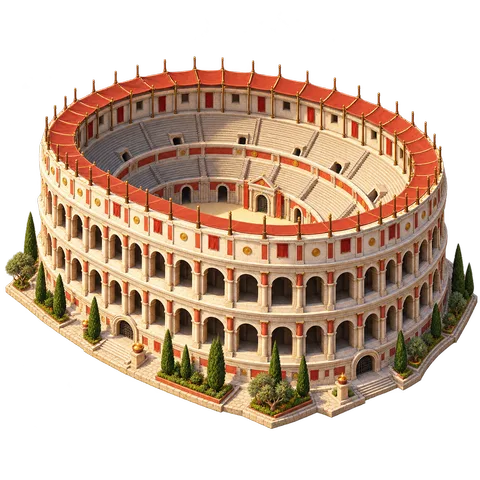 Ancient RomeAmphitheaterA giant oval arena where crowds watched animal hunts and gladiator contests.
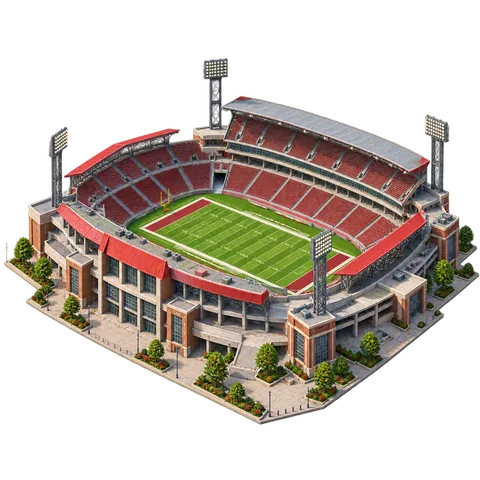 Modern TownStadiumA huge venue where tens of thousands of fans watch sport and concerts together.
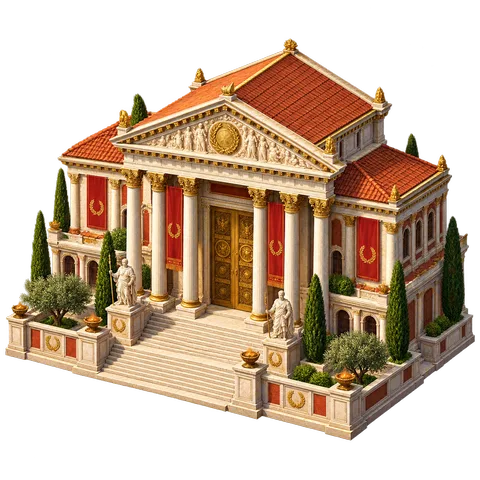 Ancient RomeSenate house (curia)The meeting hall of the Roman Senate, where senators debated laws, wars and the running of the state.
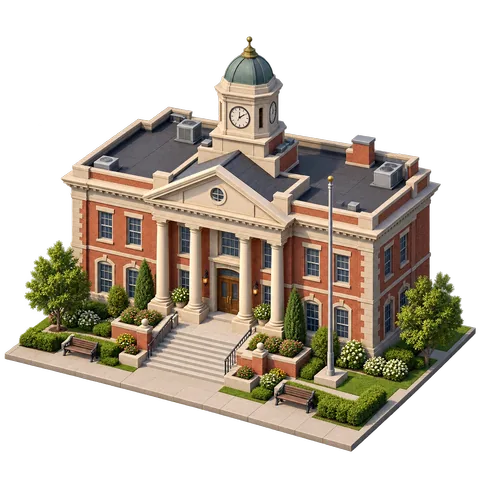 Modern TownTown hallThe home of local government, where elected leaders meet and residents get public services.
Sources
The facts in this guide are based on these sources:
- Smarthistory, "Roman domestic architecture: the insula"
- Encyclopaedia Britannica, "Aqueduct"
- National Council for the Social Studies, "College, Career, and Civic Life (C3) Framework"