Imagined What it could do
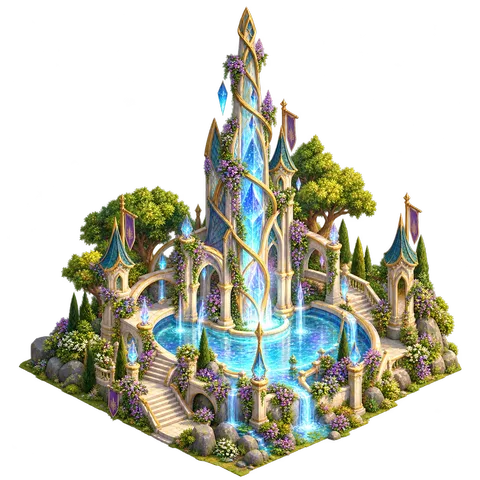
Imagine a fountain where used water from homes flows through pools of reeds and stones and comes out clean enough to return to the river, with the glittering spray showing everyone that the city's water is cared for.
Real world How wetlands clean water
Natural marshes are some of nature's best water filters. As water moves slowly through them, mud settles out, and bacteria living on plant roots and in the soil break down waste. Plants take up nutrients that would otherwise feed harmful algae in rivers. Sunlight helps kill germs.
A constructed wetland copies this. Shallow beds of gravel and soil are planted with reeds, rushes and other wetland plants, and partly treated wastewater flows through them.
Real world A town that cleans its water with a marsh
Since the 1980s, the city of Arcata in California has used a series of ponds and marshes to finish cleaning its wastewater. The marshes are also a wildlife sanctuary with walking trails, popular with birdwatchers. Constructed wetlands need more land than a treatment plant, so they suit some places better than others.
Art In this artwork
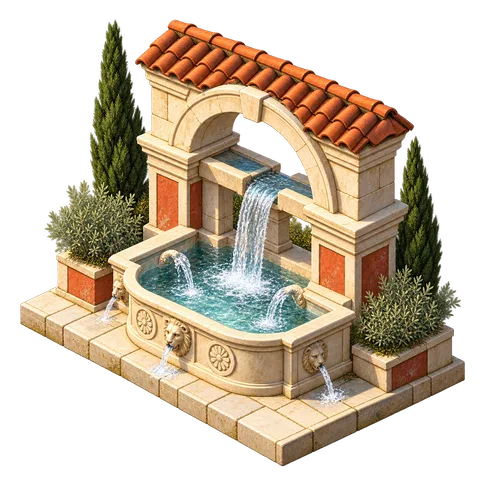
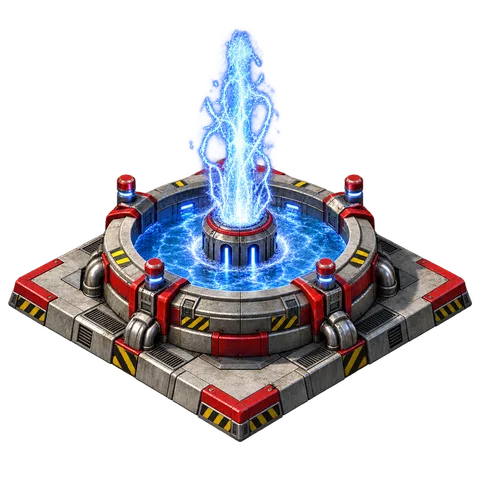
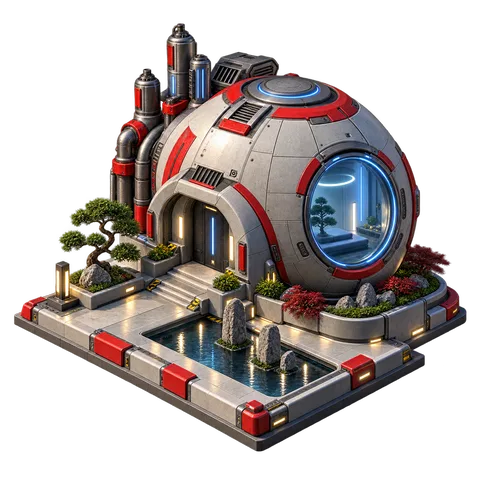
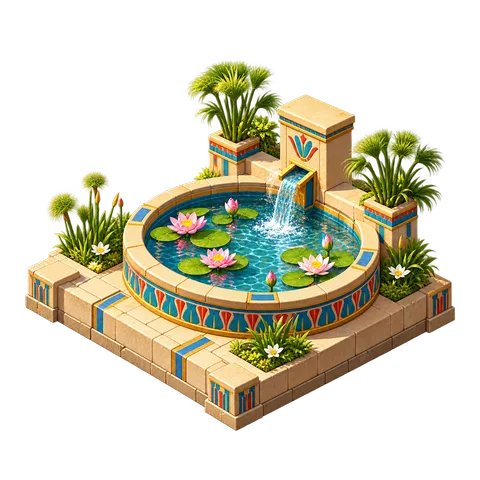
This illustration shows a fountain of pale stone with tiered pools, a tall blue glass centerpiece and flowers all around. Here we imagine it as a wetland that cleans water.
Look closer
- Follow the water from the top to the pool.
- Where could reeds and plants grow?
Think about it
- How could a city make its water system visible, so people value it?
- Why might a marsh be better than a concrete plant in some places?
- What lives in a wetland?
Key words
- Wetland
- Land covered with shallow water, like a marsh.
- Microbe
- A living thing too small to see without a microscope.
- Wastewater
- Used water from homes and businesses.
Use it in class
- How do cities get clean water? (Explainer, grades 4-12)
Sources
The real-world facts on this page are based on these sources:
- US Environmental Protection Agency, "Constructed Treatment Wetlands"
- City of Arcata, California, "Arcata Marsh and Wildlife Sanctuary"