History Swapping, not shopping
Carvings in tombs at Saqqara from around 2400 BC show busy market scenes: people swapping vegetables, fish, bread and cloth, and even a pet baboon grabbing a thief by the leg. Without coins, people agreed how much each thing was worth in weights of copper, called deben, and then traded goods of the same value.
Records from the workers' village of Deir el-Medina list the values of beds, chairs, coffins, goats and sandals, so we know roughly what everyday things cost.
History Goods from far away
Not everything came from Egypt. Cedar wood came from Lebanon and incense from the land of Punt to the south. Black peppercorns from India were even found in the nose of the mummy of Ramesses II, placed there when he was buried around 1213 BC.
Art In this artwork
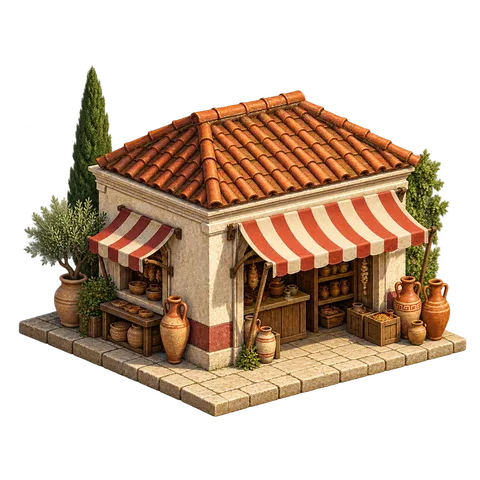
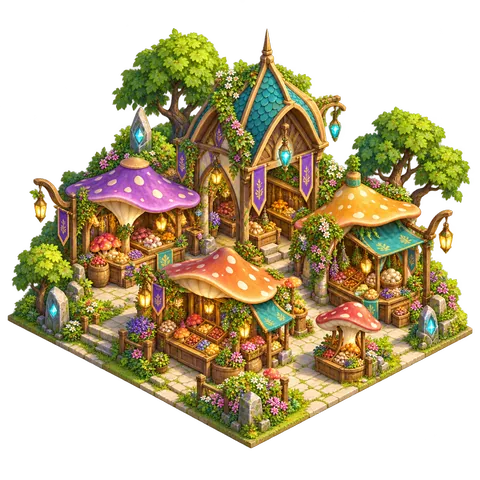
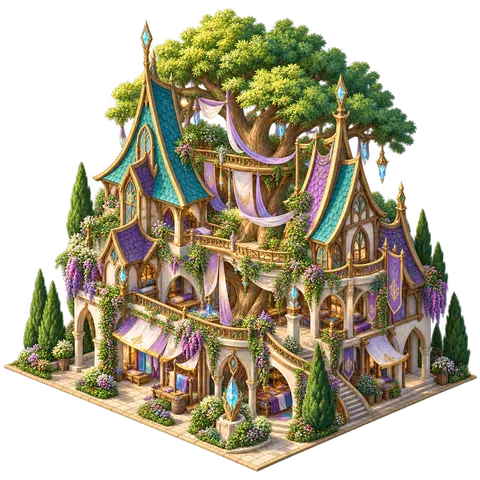
The illustration shows striped awnings over baskets of colorful spices, fruit, pots and cloth. Spices were used in Egypt, but most traded goods were everyday food and crafts.
Look closer
- Find the baskets of spices.
- What else is for sale?
Think about it
- How would you agree a fair swap without money?
- What problems could barter cause?
- Where do the things in your kitchen come from?
Key words
- Barter
- Trading goods for other goods, without money.
- Deben
- An Egyptian weight used to measure value.
- Incense
- Sweet-smelling resin burned in temples.
Use it in class
- What was daily life like in ancient Egypt? (Explainer, grades 3-8)
Sources
The history on this page is a short summary based on these sources:
- Encyclopaedia Britannica, "Ancient Egypt"
- World History Encyclopedia, "Deir el-Medina"
- Ian Shaw (editor), The Oxford History of Ancient Egypt (2000)