Real world Why reuse rockets?
For most of the space age, rockets were thrown away after one flight, like flying an airplane once and scrapping it. In December 2015, SpaceX landed the first stage of an orbital rocket back on Earth, and boosters have since flown many times. The Space Shuttle was also partly reusable. Reuse can make spaceflight cheaper and more frequent.
Possible future How a spaceport would work
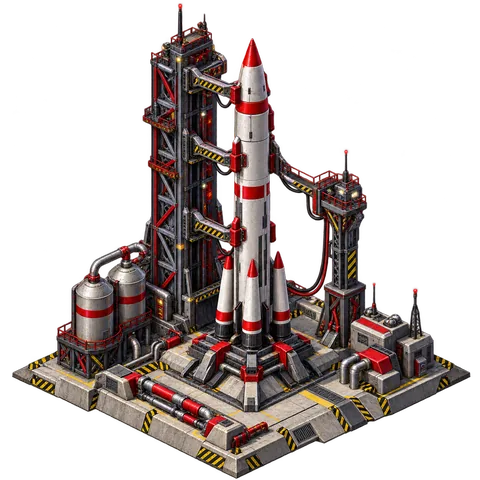
- Landing pads where rockets touch down upright.
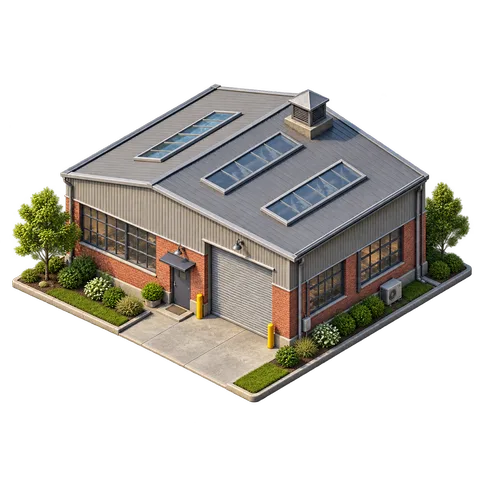
- Hangars for inspection and repair.
- Fuel plants and storage tanks, perhaps filled with fuel made from local ice.
- Passenger and cargo terminals.
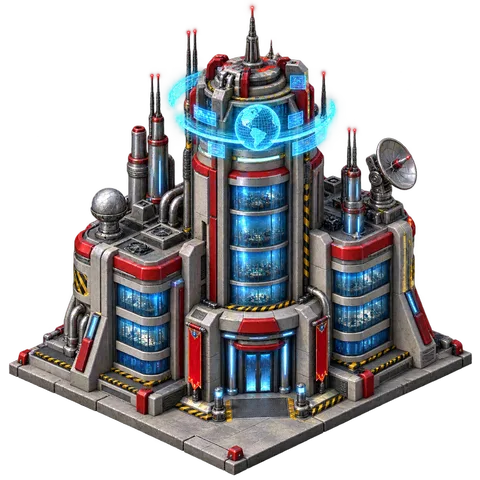
- Control towers tracking every arrival and departure.
Possible future Refueling in space
Going far requires lots of fuel. One idea is to refuel spacecraft in orbit from tanker ships or fuel depots, like a gas station in space. Moving very cold liquid fuels between spacecraft in weightlessness is difficult and is being tested and developed.
Art In this artwork
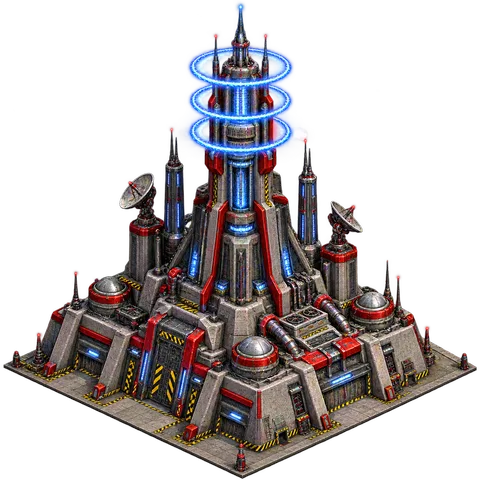
This illustration shows a large complex with rockets, antennas and launch towers.
Look closer
- Count the rockets and towers.
- Where might passengers wait?
Think about it
- What would change if space travel became as normal as flying?
- Why does reusing rockets matter?
- Who should be able to travel to space?
Key words
- Reusable
- Able to be used more than once.
- Booster
- The large first stage of a rocket.
- Fuel depot
- A place to store and supply fuel.
Sources
The real-world facts on this page are based on these sources:
- SpaceX, first landing of an orbital-class rocket booster (December 2015) and reuse of boosters
- NASA, Artemis program overview, including Gateway and plans for a lunar base camp