Imagined What it could do
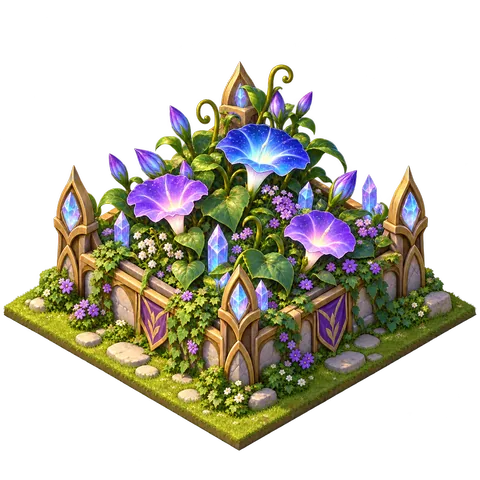
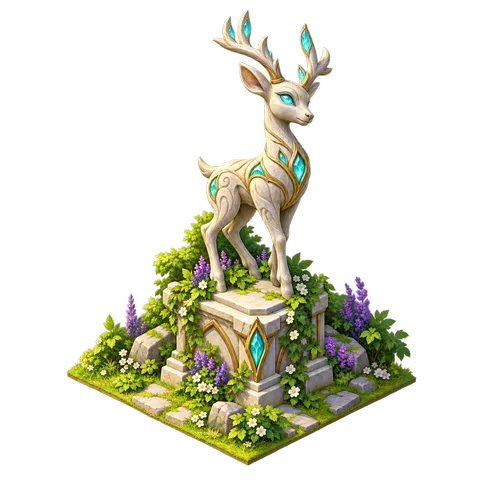
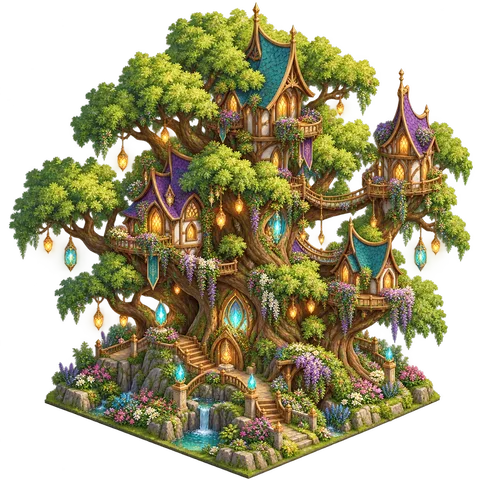
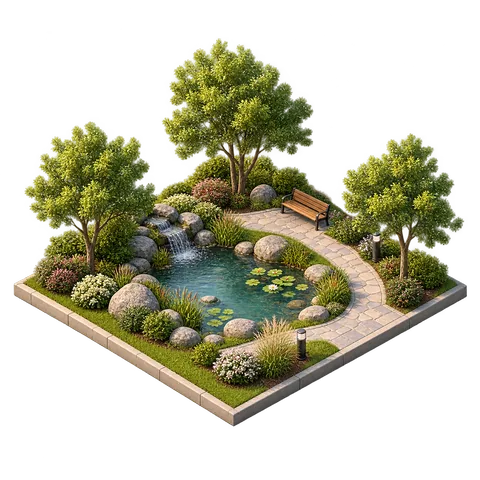
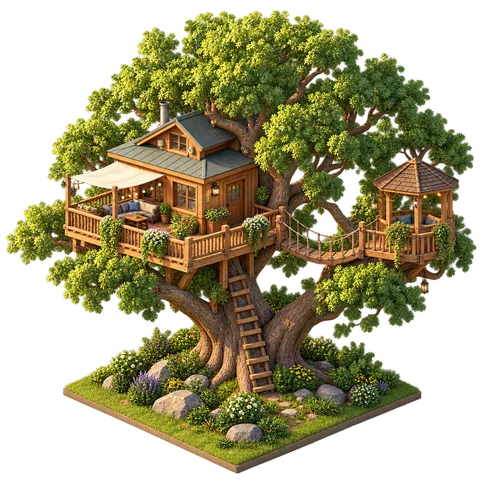
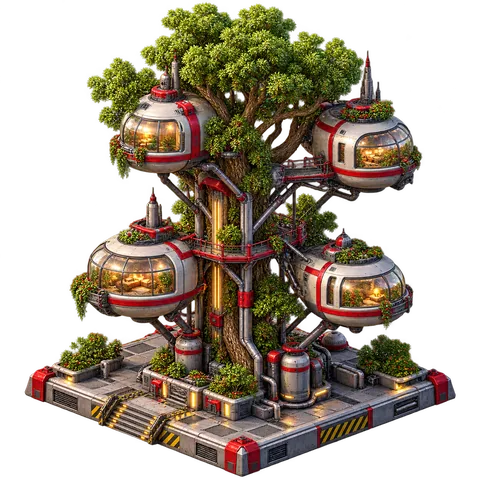
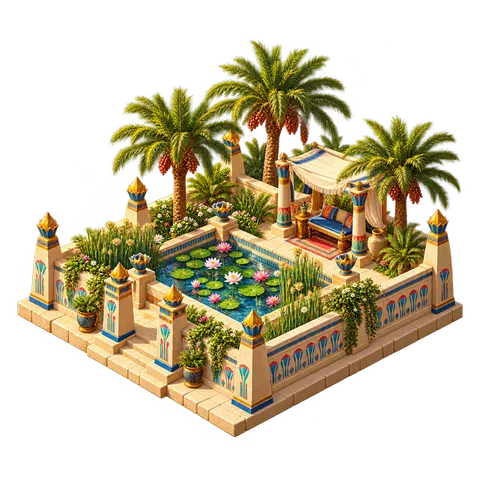
Imagine a grove of ancient trees and blossoms that no one ever cuts, in the very center of the green city, where anyone can sit in the shade and listen to birds.
Real world Trees cool the city
Trees shade streets and buildings and release water vapor through their leaves, which cools the air. The US Environmental Protection Agency explains that trees and plants help reduce the heat island effect that makes cities hotter than the countryside. Trees also soak up rain, provide homes for wildlife and make places more pleasant.
Real world Tiny forests
The Japanese botanist Akira Miyawaki developed a way to grow native forest quickly on small sites. Many different native trees and shrubs are planted very close together, in carefully prepared soil, and the young forest is looked after for its first few years. The trees compete for light and grow fast.
Community groups and schools now plant "tiny forests" about the size of a tennis court in towns around the world. Researchers are studying how well they work compared with other ways of planting trees.
Art In this artwork
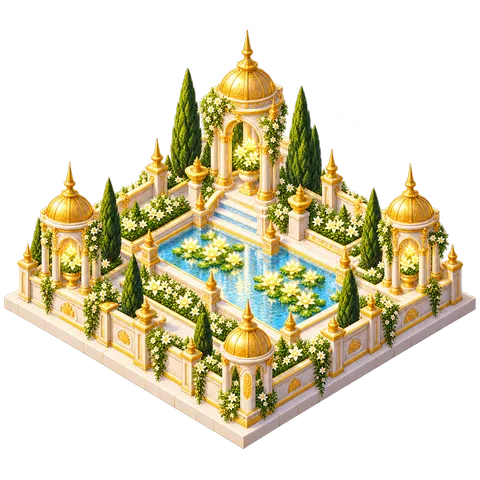
This illustration shows a small grove of great trees with a pink blossom tree and twisting roots.
Look closer
- Notice the roots and the blossom tree.
- How many kinds of trees can you see?
Think about it
- How much of a city should stay wild?
- Where could a tiny forest grow near you?
- Why might many different kinds of trees be better than just one?
Key words
- Urban forest
- All the trees in a town or city.
- Native species
- Plants and animals that belong naturally in a place.
- Canopy cover
- How much of an area is shaded by trees.
Use it in class
- Sustainable city project ideas for students (Project, grades 5-12)
- What makes a good place to live? Discussion questions (Lesson, grades 5-12)
Sources
The real-world facts on this page are based on these sources:
- Akira Miyawaki, research on native forest restoration; Earthwatch Europe "Tiny Forest" programme
- US Environmental Protection Agency, "Heat Island Effect" and "Using Trees and Vegetation to Reduce Heat Islands"