
12 project ideas
- Map the hottest and coolest spots around school with a thermometer and suggest where trees would help most.
- Design a rain garden for a corner of the schoolyard that floods.
- Build two model roofs, one plain and one planted, and compare their temperatures under a lamp.
- Plan a "tiny forest" of native trees for an unused patch of land.
- Audit the school's food waste for a week and design a composting plan.
- Design a safer route to school with crosswalks, bike lanes and lower speeds.
- Create a pollinator meadow plan with native flowers that bloom from spring to fall.
- Compare the energy use of LED and older bulbs and calculate savings.
- Design a repair cafe for the community.
- Study a real green building and present how it saves energy.
- Propose a wildlife crossing where animals are hit on a local road.
- Write a "future generations" test for a local decision: who benefits in 50 years?
How to make it strong
Use real data, show a before and after, explain trade-offs (cost, space, maintenance) and present to someone who can act: the principal, a parent group or the city council.
Questions students and teachers ask
What is a sustainable city?
A city that meets people's needs today without making it harder for future generations to meet theirs, by using less energy and water, cutting waste and pollution, and protecting nature.
What is an easy sustainable project for middle school?
Comparing temperatures of a plain and a planted model roof, or mapping hot spots around school, needs simple materials and gives clear results.
Building pages to use with this guide
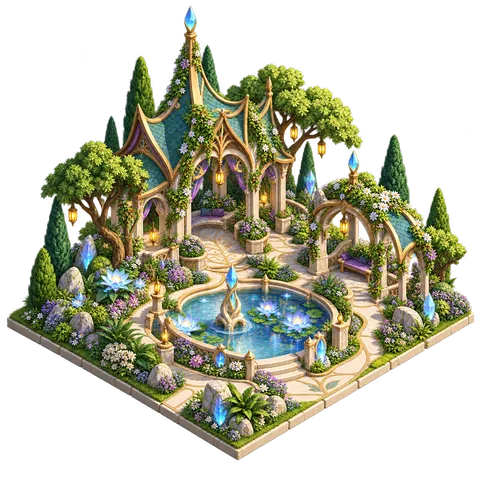 Elven Green WorldRain garden courtAn imagined courtyard garden that drinks the rain. Real rain gardens catch storm water and stop flooding.
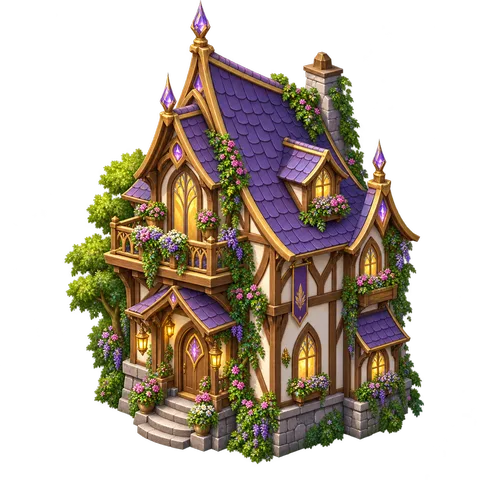 Elven Green WorldGreen-roof cottageA tall cottage crowned with plants. Real green roofs soak up rain, cool buildings and feed insects.
 Elven Green WorldTiny forestA patch of trees left wild in the middle of the city. Real "tiny forests" plant dense native woods in spaces the size of a tennis court.
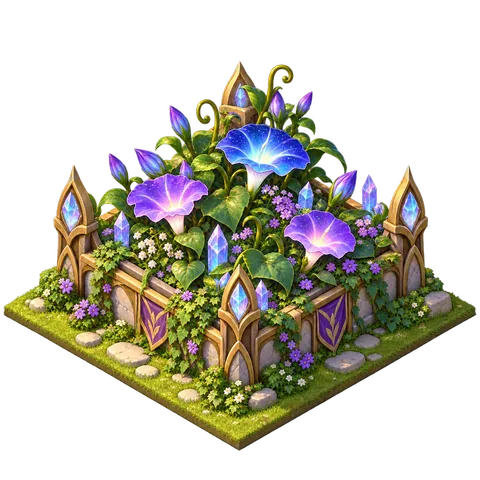 Elven Green WorldPollinator meadowFlowers planted for bees, butterflies and other insects that pollinate the crops we eat.
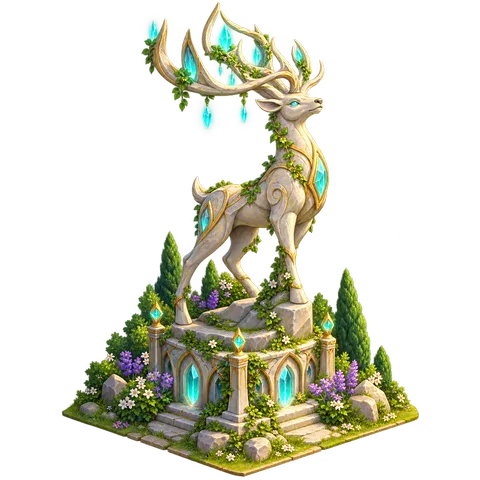 Elven Green WorldStag crossingAn imagined monument to the forest's animals. Real wildlife bridges let deer, bears and wolves cross busy roads safely.
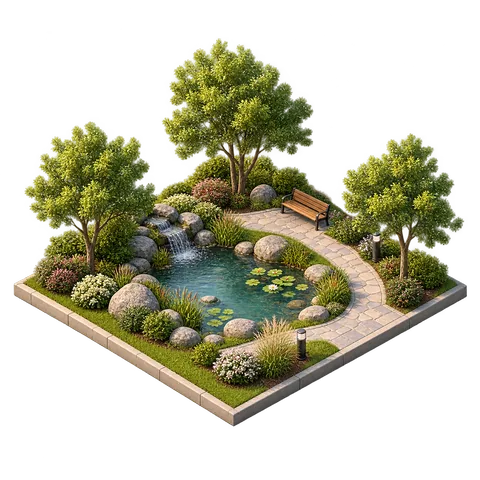 Modern TownCity parkTrees, grass, paths and water in the middle of town: free space to play, relax and cool down.
Sources
The facts in this guide are based on these sources:
- US Environmental Protection Agency, "Green Infrastructure"
- US Environmental Protection Agency, "Heat Island Effect"
- Biomimicry Institute, AskNature database and Youth Design Challenge