
Famous examples
- Velcro: engineer George de Mestral studied the tiny hooks on burrs that stuck to his dog's fur.
- Lotus effect: tiny bumps on lotus leaves make water roll off, carrying dirt; this inspired self-cleaning paints and glass.
- Kingfisher bullet train: Japanese engineers reshaped the Shinkansen's nose like a kingfisher's beak to make it quieter leaving tunnels.
- Termite-inspired building: the Eastgate Centre in Zimbabwe uses chimneys and heavy materials for natural cooling.
- Living root bridges: in Meghalaya, India, people guide fig tree roots into bridges that grow stronger with age.
Classroom design challenge
- Pick a problem: staying cool, keeping clean, saving water, moving quietly.
- Ask "How does nature do this?" and research one plant or animal that solves it.
- Sketch an invention or building feature based on it.
- Build a simple model and test it.
- Present: the problem, the organism, the design and the test results.
Questions students and teachers ask
What is biomimicry in simple words?
Copying good ideas from plants and animals to solve human problems.
What is the most famous example of biomimicry?
Velcro is probably the best known. It was inspired by burrs that stuck to a dog's fur.
Building pages to use with this guide
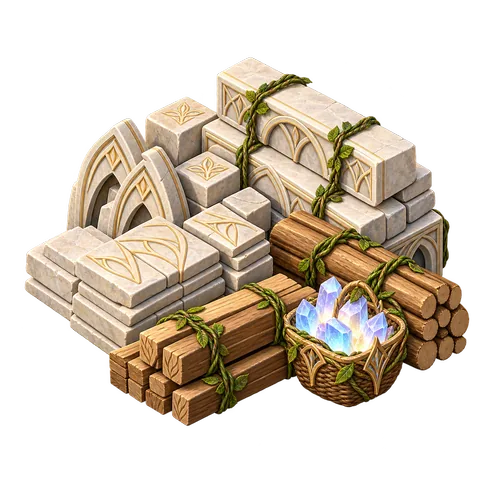 Green WorldNature's materialsStone, timber and glass for the city\x27s builders, and the real inventions engineers have copied from nature.
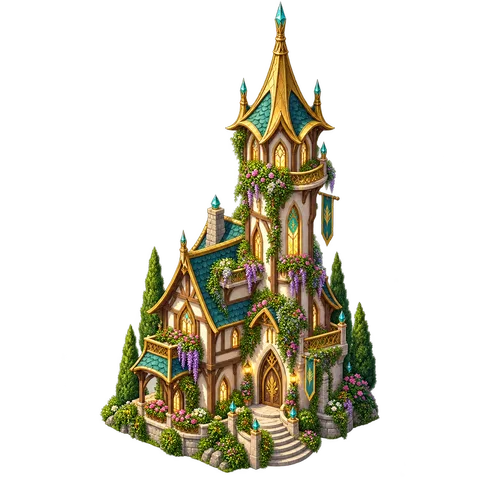 Green WorldBreathing spireAn imagined tower that breathes like a termite mound, pulling cool air in and letting warm air out with no machines.
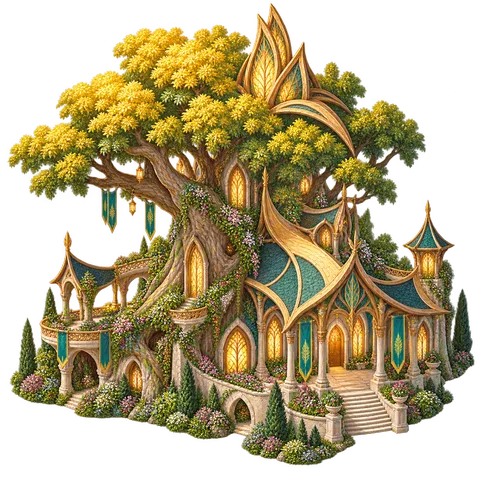 Green WorldGreat tree hallAn imagined hall grown from a living tree. In the real world, people already shape living roots and trunks into bridges and buildings.
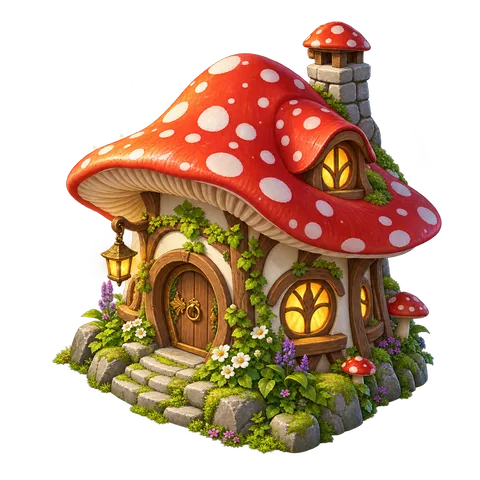 Green WorldMushroom cottageA playful toadstool home. Real scientists grow building blocks and packaging from mycelium, the root-like threads of fungi.
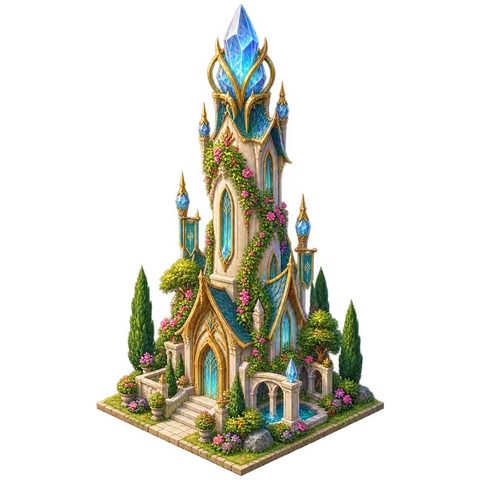 Green WorldFirefly towerAn imagined tower that glows like a firefly. Real scientists have already made living plants that glow in the dark.
Sources
The facts in this guide are based on these sources:
- Janine Benyus, "Biomimicry: Innovation Inspired by Nature" (1997)
- Biomimicry Institute, AskNature database and Youth Design Challenge