Real world Where the name comes from
The word taxi comes from the taximeter, a device that measures the distance traveled and calculates the fare. Meters were invented in the 1890s, and motor taxis spread through cities in the early 1900s.
Real world Why yellow?
Yellow was made popular by the Yellow Cab Company, founded in Chicago in 1915, reportedly because yellow is easy to spot from a distance. New York City has required its licensed street taxis to be yellow since the late 1960s.
Real world Taxis for everyone
Taxis matter most to people who can't drive: children with a carer, older people, people with disabilities and visitors. Cities now require some taxis to carry wheelchairs, with ramps and space inside. Ride-hailing apps changed the business, letting people book and pay from a phone.
Real world Taxis with no driver
In a few cities, such as Phoenix and San Francisco, people can now ride in taxis with no driver at all, steered by computers, cameras and sensors. In 2023, California allowed paid driverless rides across San Francisco. People still debate how safe they are, and what they mean for the people who drive taxis for a living.
Art In this artwork
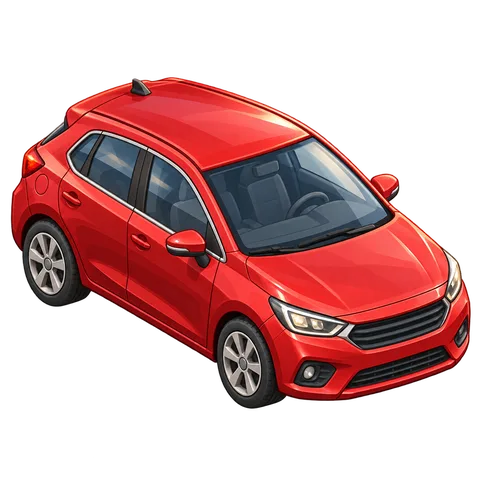
This illustration shows a classic yellow taxi with a roof sign and a checkered stripe.
Look closer
- Find the sign on the roof. What is it for?
- Look for the checkered stripe.
Think about it
- Who in your town most needs taxis?
- Should taxis be required to carry wheelchairs?
- How did apps change the way people book a ride?
Key words
- Fare
- The price of a trip.
- Taximeter
- A device that calculates the fare.
- Ride-hailing
- Booking a car ride with an app.
Sources
The facts on this page are based on these sources:
- Encyclopaedia Britannica, "Taxicab" and "Taximeter"
- New York City Taxi and Limousine Commission, history and accessible vehicle rules
- California Public Utilities Commission, approval of paid driverless taxi service in San Francisco (2023)