Imagined What it could do
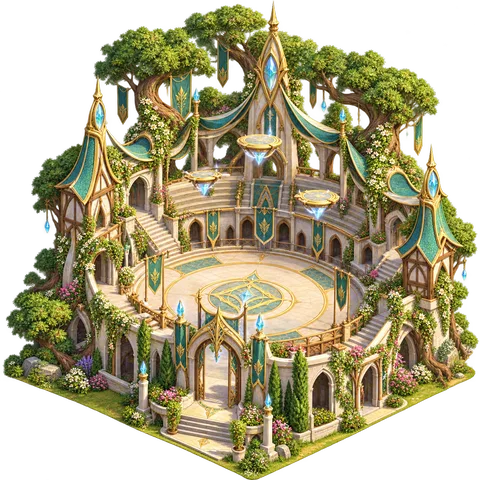
Imagine a sunny glade where people practice archery, stretch and run among the trees, then sit quietly listening to the leaves before heading home.
Real world Forest bathing
In 1982, Japan's forestry agency introduced the term "shinrin-yoku", meaning "forest bathing": spending time slowly and calmly in a forest, noticing sights, sounds and smells. It is not exercise in the usual sense, but a way of relaxing in nature.
Researchers have studied whether forest bathing lowers stress. Many small studies have found lower measures of stress and better mood after time in forests, compared with time in cities. Scientists say more large, careful studies are needed to know exactly how strong these effects are.
Real world Green exercise
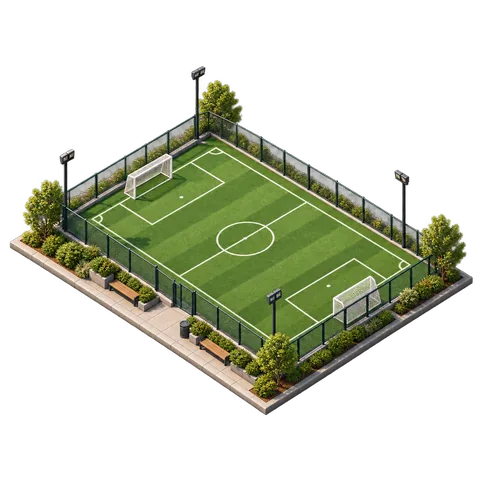
Exercising outdoors, sometimes called "green exercise", combines the benefits of physical activity with time in nature. Parks, trails and woods give people free places to walk, run, cycle and play, and many people find exercising outdoors more enjoyable than indoors.
Art In this artwork
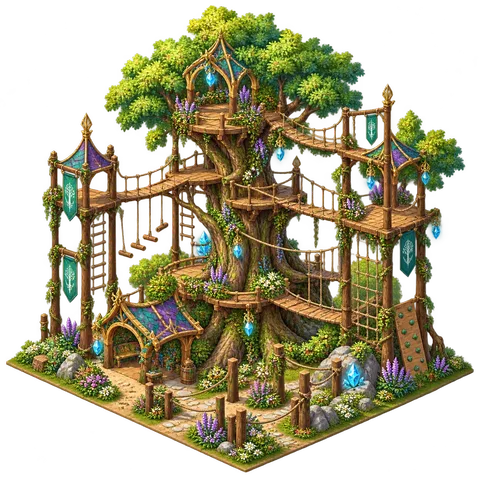
This illustration shows a grove with archery targets, a timber pavilion with purple banners and flowering plants.
Look closer
- Find the archery targets.
- Where could someone rest after training?
Think about it
- How do you feel after spending time outdoors?
- Why might scientists want large studies before making health claims?
- What outdoor place near you could be used for exercise?
Key words
- Shinrin-yoku
- Japanese for "forest bathing".
- Green exercise
- Physical activity in natural places.
- Stress
- The body's response to pressure or worry.
Sources
The real-world facts on this page are based on these sources:
- Research reviews on shinrin-yoku ("forest bathing"), a term introduced in Japan in 1982
- World Health Organization, "Guidelines on physical activity and sedentary behavior" (2020)