Imagined What it could do
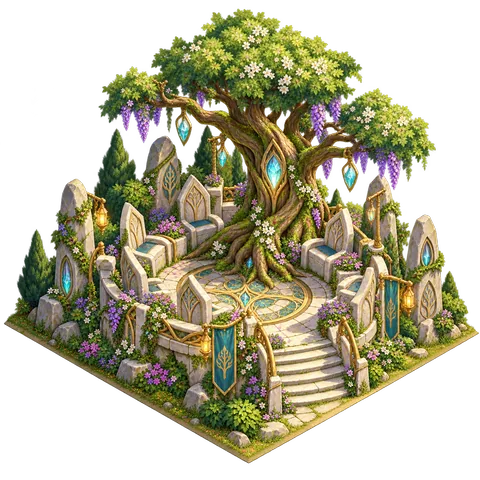
Imagine leaders who plan for centuries. In their white stone palace, no decision could be made without asking: what will this mean for the forest, and for our great-grandchildren?
Real world Short-term thinking
Many of the biggest challenges, such as climate change, losing species, building cities and caring for forests, unfold over decades or centuries. But elections, business plans and news often focus on months or a few years. Planting a tree whose shade you will never sit in requires long-term thinking.
Real world A law for the future
In 2015, Wales passed the Well-being of Future Generations Act. It requires public bodies, such as councils and health boards, to think about the long-term effects of their decisions on people, culture and the environment. It also created a Future Generations Commissioner, whose job is to stand up for the interests of people who are not yet born.
Other places have experimented with similar ideas, from long-term planning councils to giving legal rights to rivers.
Art In this artwork
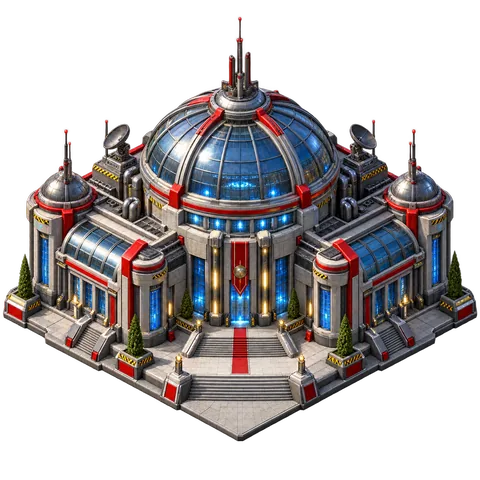
This illustration shows a gleaming white palace with tall blue and purple glass spires and terraced gardens.
Look closer
- Count the tall spires.
- Find the terraced gardens and stairways.
Think about it
- Who speaks for people not yet born?
- What decision today will matter most in 100 years?
- How could your school think about the long-term future?
Key words
- Future generations
- People who will live after us.
- Long-term
- Over a long time, such as decades.
- Commissioner
- A person given a special public duty.
Use it in class
- What is solarpunk? (Explainer, grades 7-12)
- How to design a fantasy city: a worldbuilding guide (Guide, grades 6-12)
Sources
The real-world facts on this page are based on these sources:
- Welsh Government, "Well-being of Future Generations (Wales) Act 2015"
- Future Generations Commissioner for Wales, guidance on the Well-being of Future Generations Act