History Needles of stone
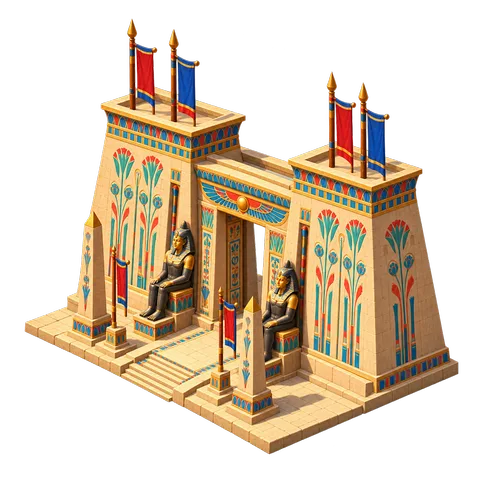
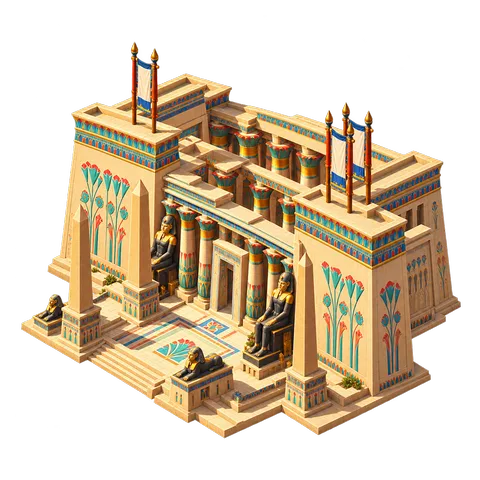
Obelisks were tall, narrow pillars topped by a small pyramid. They were linked to the sun god Ra, and the top was sometimes covered in gold or electrum, a natural mix of gold and silver, so it flashed in the sunlight. They usually stood in pairs in front of temple gateways, carved with the name of the ruler who set them up.
Queen Hatshepsut, one of the few women to rule Egypt as pharaoh, raised two great obelisks at Karnak around 1460 BC. One still stands, about 29 meters tall. Its inscription says their tips were covered in electrum.
History Cut from one stone
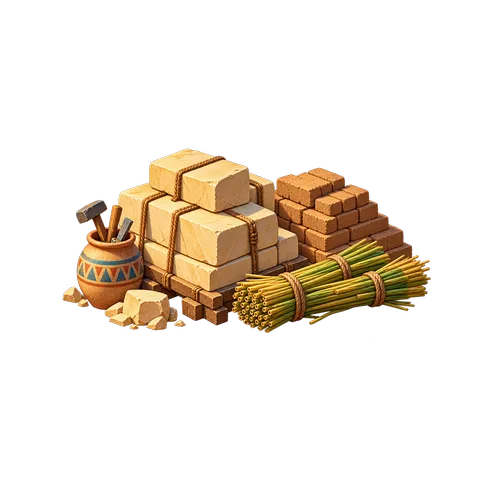
Each obelisk was carved from a single block of granite at the quarries of Aswan. Workers pounded the rock with balls of a harder stone called dolerite to free it, then floated it down the Nile on a barge. At Aswan you can still see the Unfinished Obelisk, about 42 meters long, which cracked while it was being cut and was left in the quarry.
History Obelisks around the world
Many obelisks were later carried away. Roman emperors shipped several to Rome, which now has more ancient Egyptian obelisks than any other city. In the 1800s, obelisks were moved to Paris, London and New York. The ones in London and New York are both nicknamed "Cleopatra's Needle", although they are about 1,400 years older than Cleopatra.
Art In this artwork
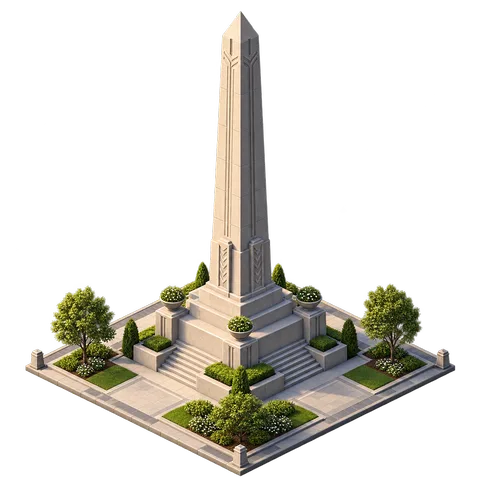
The illustration shows a pink granite obelisk with a gold tip on a stepped base. Real obelisks were covered in hieroglyphs; here the carvings are only patterns.
Look closer
- Find the shining tip.
- How many sides can you see?
Think about it
- How might workers have stood a heavy obelisk upright?
- Should obelisks taken from Egypt be returned? Why or why not?
- Why would a ruler put their name on a monument?
Key words
- Obelisk
- A tall four-sided stone pillar with a pointed top.
- Electrum
- A natural mix of gold and silver.
- Granite
- A very hard, speckled rock.
Sources
The history on this page is a short summary based on these sources:
- Encyclopaedia Britannica, "Obelisk"
- Encyclopaedia Britannica, "Hatshepsut"
- UNESCO World Heritage Centre, "Ancient Thebes with its Necropolis"
- Dieter Arnold, Building in Egypt: Pharaonic Stone Masonry (1991)